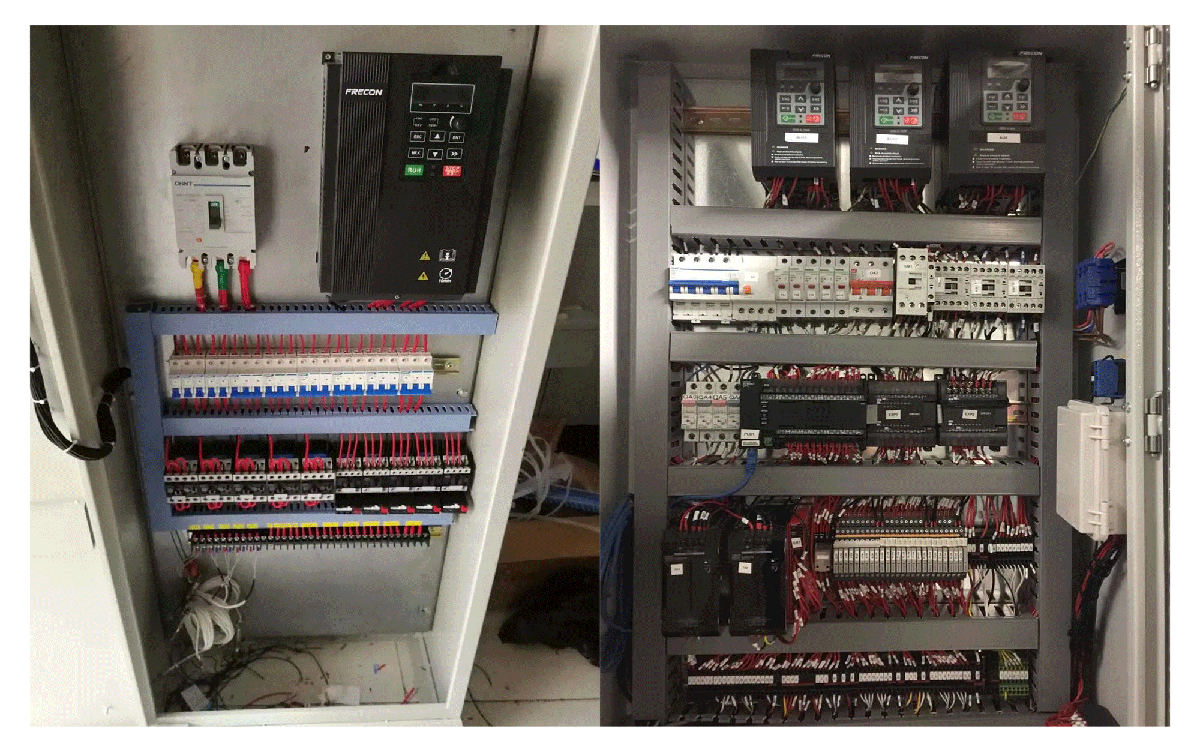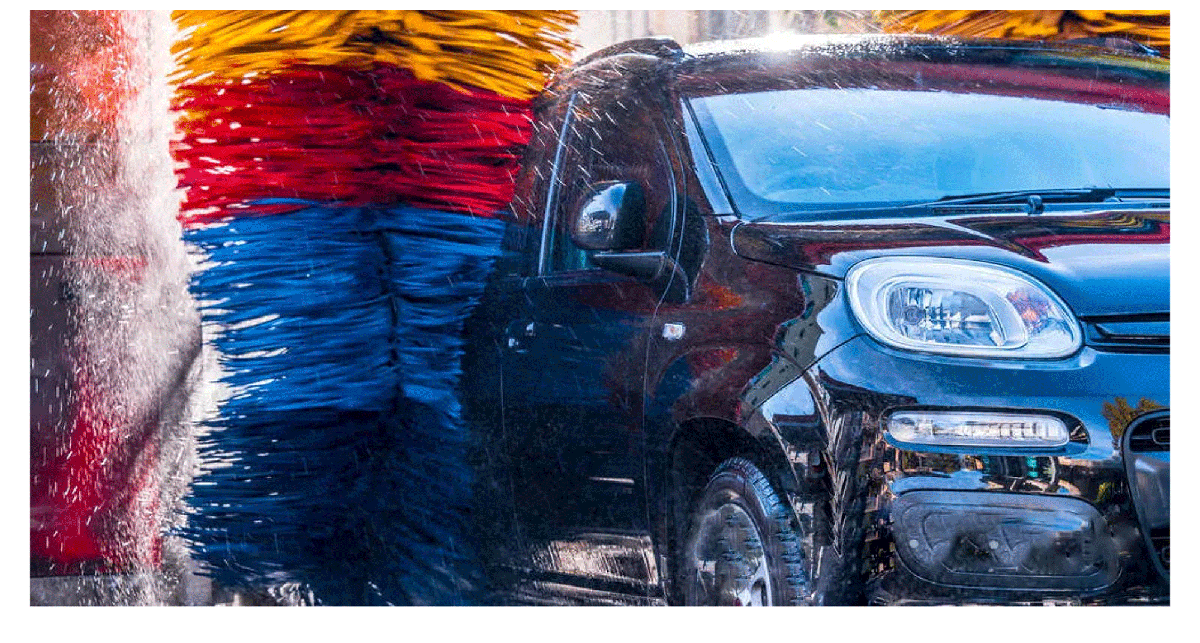
In the booming wave of industrial automation and intelligent manufacturing, automatic car wash machines have become a necessity in the automotive service industry. Their core components, such as gantry reciprocating movement, brush coordinated operation, and high-pressure spray start/stop, place stringent demands on the precision and stability of the drive system.
High-quality drive equipment must possess low-frequency, high-torque output capabilities to ensure smooth speed regulation and stable operation. Simultaneously, it must implement multiple protections against overcurrent and overvoltage to strengthen safety, while also considering energy conservation, ease of installation and maintenance, providing core support for the efficient and stable operation of automatic car wash machines and facilitating the automation upgrade of car wash services.

An automatic car wash machine is a machine that uses computer-programmed procedures to automatically clean, wax, and dry vehicles. Automatic car wash machines are divided into contactless automatic car wash machines and brush-type fully automatic car wash machines.
Contactless car washes use high-pressure water jets combined with car wash liquid to wash cars. Brush-type fully automatic car washes use PE or foam brushes to clean without damaging the paint. Common car wash layouts include gantry-type and tunnel-type designs. With the development of industrial IoT technology, most are now equipped with inverters and PLCs for automated control, ensuring stable and efficient operation in both unattended and manned modes.
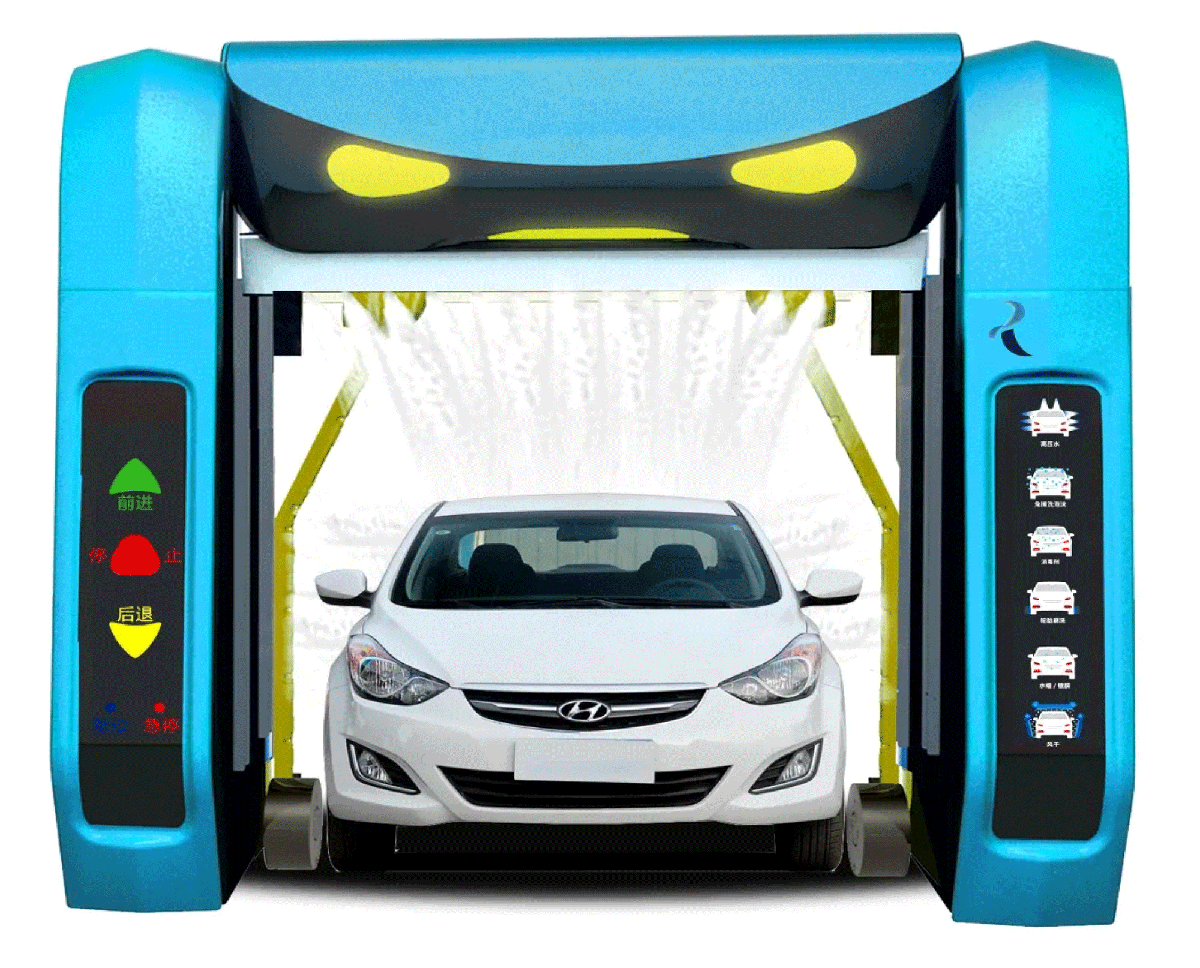
Brush-type car wash machines (also known as gantry reciprocating car wash machines) typically employ a "fixed vehicle, reciprocating equipment" operating mode, eliminating the need for car owners to move their vehicles. The equipment automatically completes the entire process, including chassis washing, track alignment, cleaning solution spraying, brushing, waxing, and drying, achieving a highly efficient "dirty car in, clean car out" car wash experience. The entire car wash process takes only about 3 minutes. Leveraging its automated and standardized operational advantages, it significantly improves car wash efficiency and cleanliness, meeting the fast-service needs of the automotive service industry.

Contactless automatic car wash:
The contactless car wash machine focuses on cleaning both sides of the vehicle. The single L-shaped rotating arm can move laterally and rotate 360 degrees to achieve a thorough cleaning. The control modes are semi-automatic and fully automatic.
Semi-automatic control involves high-pressure water rinsing → spraying car wash liquid → manual wiping → rinsing again → spraying polishing wax → manual drying;
Fully automatic control requires no manual intervention, sequentially completing the processes of spraying detergent, high-pressure rinsing, spraying cleaning liquid, rinsing again, spraying polishing wax, and spraying deionized water.
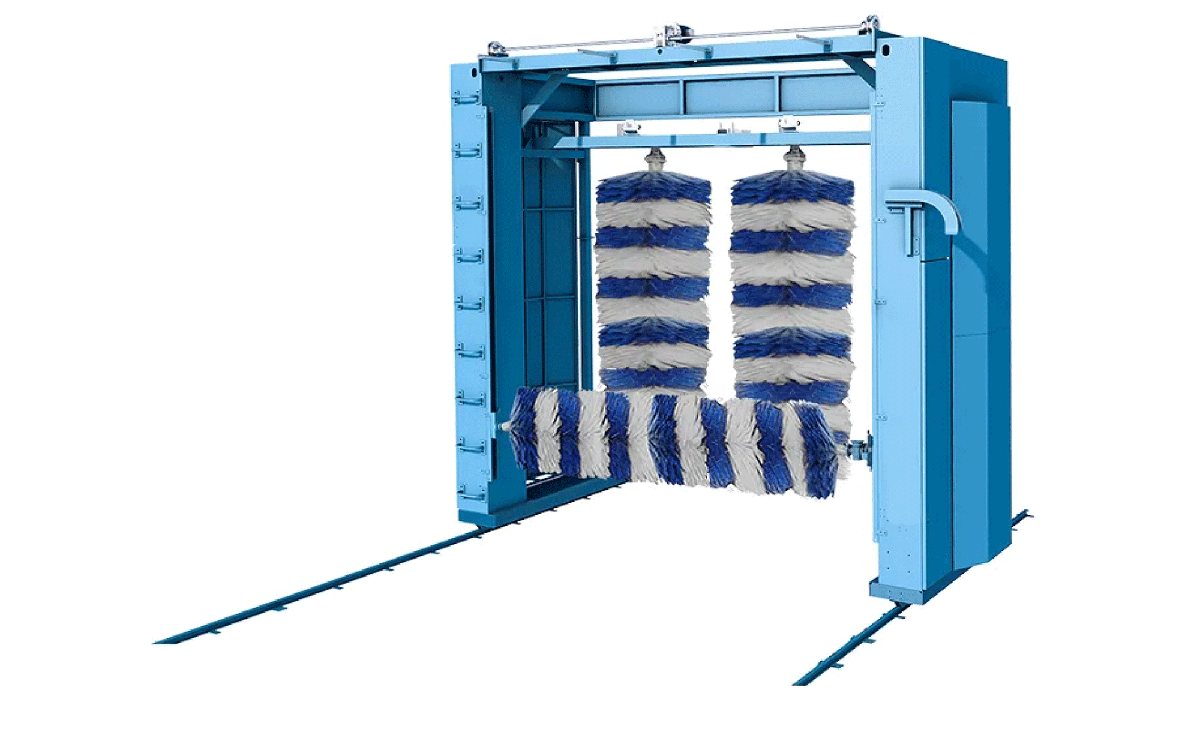
Automatic Brush-Type Car Wash Machine:
Gantry Movement: Inverter controls forward and backward movement, ensuring fast, coordinated, and stable operation.
Blowering Unit: Inverter drives two fans to operate at high speed, powerfully drying water stains.
Brush Unit: Foam plastic brushes prevent scratching the car paint; inverter controls their up-and-down and forward-and-backward movement for all-around cleaning.
IoT Controller: Links with a PLC and multiple inverters via Modbus, supporting 5G IoT remote control and real-time monitoring.
1.Debug the Modbus communication connection between the inverter and the PLC and 5G IoT controller to verify the stability of multi-machine communication; remotely view the operating parameters of the inverter through a mobile app to confirm that the real-time monitoring function is normal.
2.Configure the multi-functional terminal or communication acquisition method for the inverter's fault signal output, and test whether the fault signal can be accurately fed back to the host computer to ensure the safety protection mechanism is effective.
3.Simulate heavy-load conditions of an automatic car wash machine, test the starting torque and overload capacity of the inverter, and verify that the drive performance meets the standards when the equipment is running at full load.

The FRECON FR500A inverter, with its core performance perfectly suited to the operating conditions of automatic car wash machines, perfectly matches the drive requirements of each component of the equipment—from precise speed control to safety protection, from energy saving and consumption reduction to convenient operation and maintenance, comprehensively addressing the industry's core demands for drive systems. Its stable and reliable performance not only lays a solid foundation for the efficient operation of automatic car wash machines but also empowers the automotive service industry to upgrade towards automation and intelligence, making it the preferred choice for drive solutions in this field.