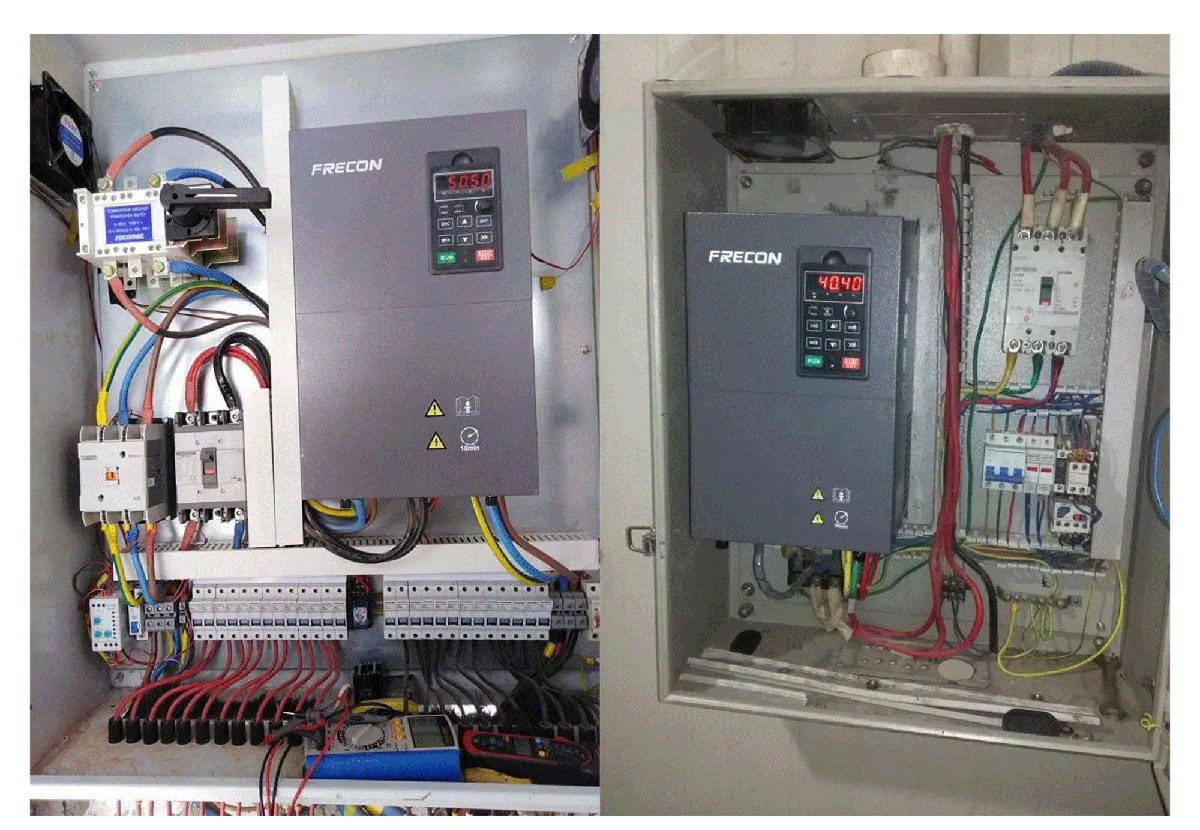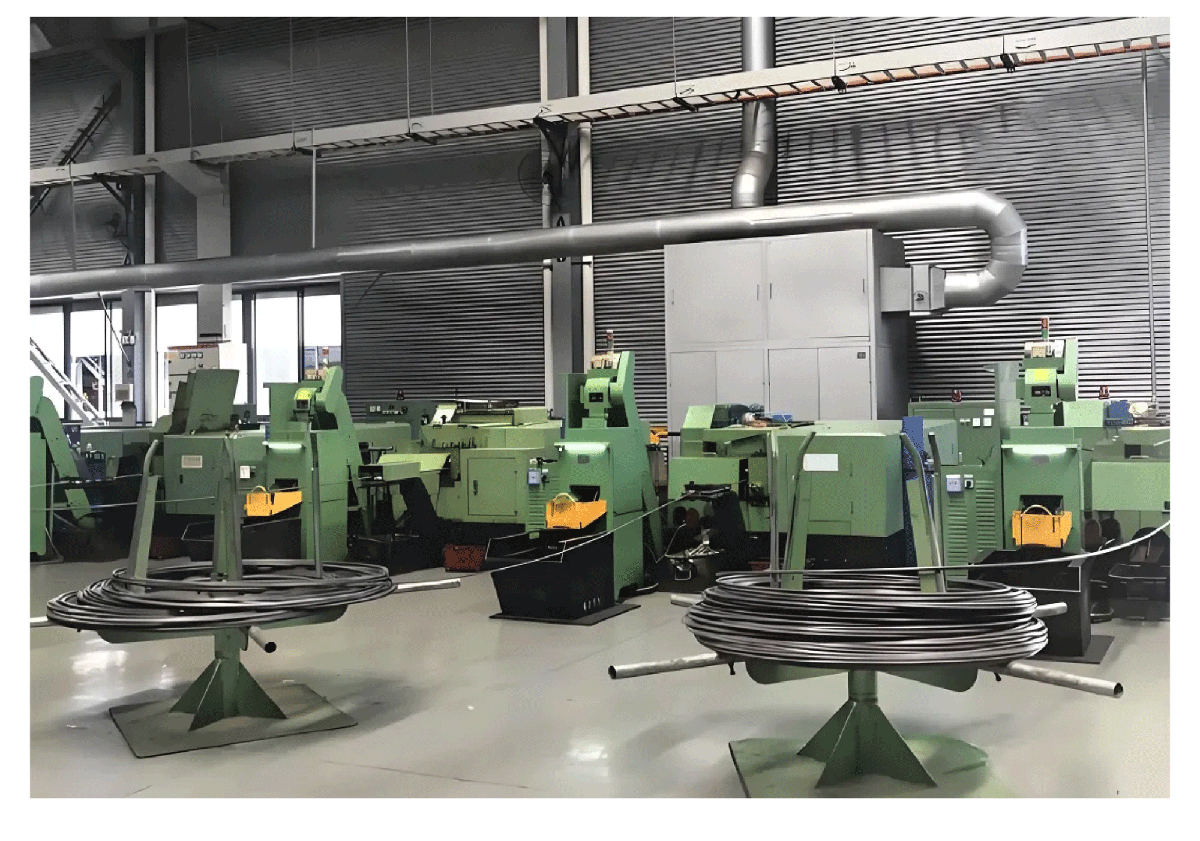
Cold heading machines are commonly used stamping equipment in mechanical manufacturing. They employ cold heading technology to mass-produce fasteners such as bolts and nuts, using cold heading steel as raw material. These machines offer advantages including high efficiency, stable quality, and material savings. The cold heading machine in this retrofit was originally equipped with a 30kW motor utilizing star-delta starting, which lacked flexible speed adjustment. By installing a inverter, the output frequency can be precisely regulated according to the characteristics of the cold heading steel and processing requirements, enabling on-demand control of motor speed. This enhancement not only improves machining adaptability but also optimizes production efficiency and product accuracy, making the cold heading process more flexible and economical.
Cold heading machines operate through the synergistic collaboration of five core structures, ensuring efficient cold heading processing.
The power system, centered around an electric motor coupled with a transmission mechanism, delivers stable driving force.
The forming mechanism, comprising the die holder, punch, and die, is crucial for the cold forging and shaping of metal. The feeding mechanism employs rollers or clamping devices to accurately and continuously supply cold heading steel raw material.
The control system, consisting of an operation panel,inverter, and sensors, regulates the rotational speed and feeding rhythm.
The machine body and protective structure provide rigid support and ensure operational safety.
The close coordination of all these structures enables the mass production of high-quality fasteners.


Fully automatic cold heading machines process steel bars into specific shapes at room temperature using a cold heading process, and are widely used in the manufacturing of automotive and mechanical parts.
The equipment adopts a fully automated process, with automatic roller feeding and one-time forming through processes such as cutting, corner pressing, and punching. It mass-produces standard double-die molded parts such as nuts and bolts without the need for additional annealing. Its workstations are arranged horizontally, and the main drive is a two-stage transmission structure. The main slide is driven by a pressure lever, and the flywheel and drive shaft are connected by a pneumatic friction clutch, achieving efficient and precise processing.


The adaptation and commissioning of the cold heading machine and the FR500A inverter must be carried out in accordance with regulations: First, accurately connect the inverter and the 30kW motor, and check the polarity and firmness of the power line and control line; then configure the rated parameters of the motor through the FR500A panel, set the adaptation acceleration/deceleration time, and avoid starting shock.
After a successful no-load trial run, cold heading steel raw materials were gradually loaded. The output frequency was adjusted according to the processing technology to verify the speed regulation accuracy and forming effect. Simultaneously, the overload and overcurrent protection functions of the inverter were tested. Parameters were optimized to balance efficiency and energy consumption. Operational data was monitored throughout the process to ensure smooth system coordination and achieve efficient and precise processing.
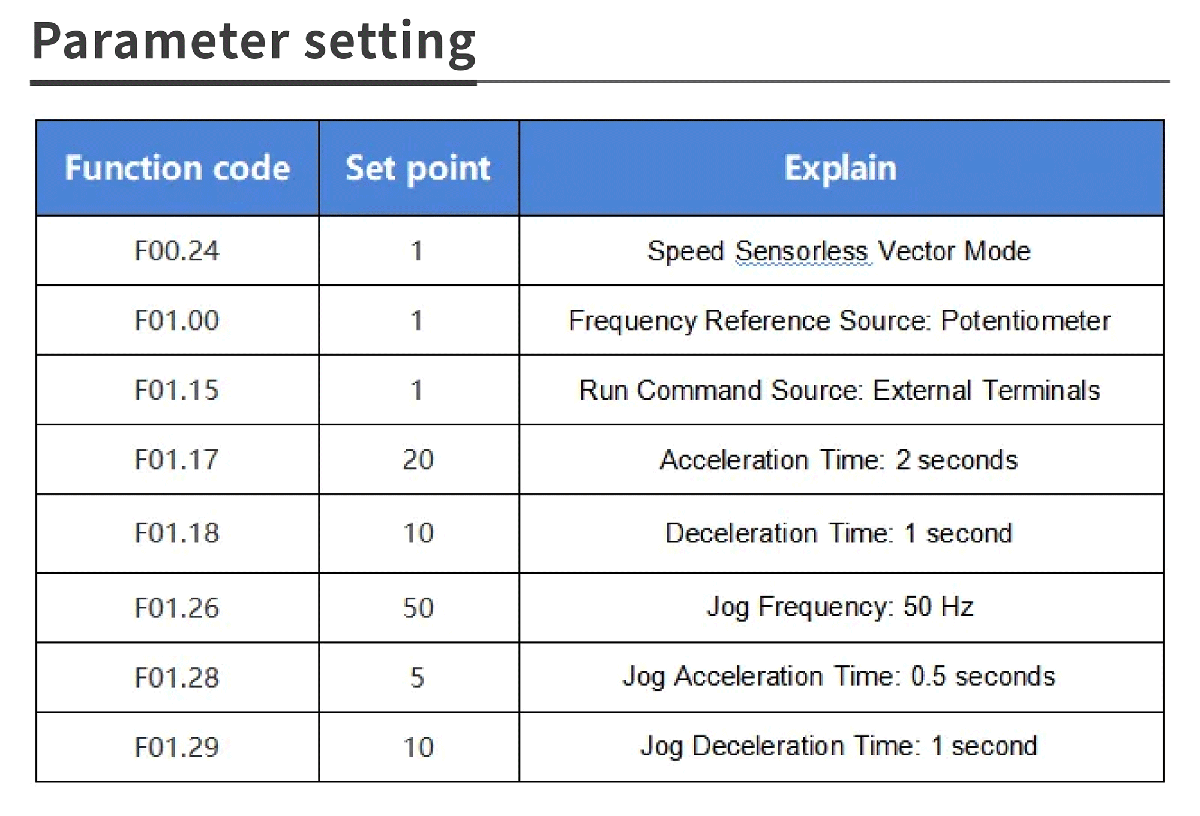
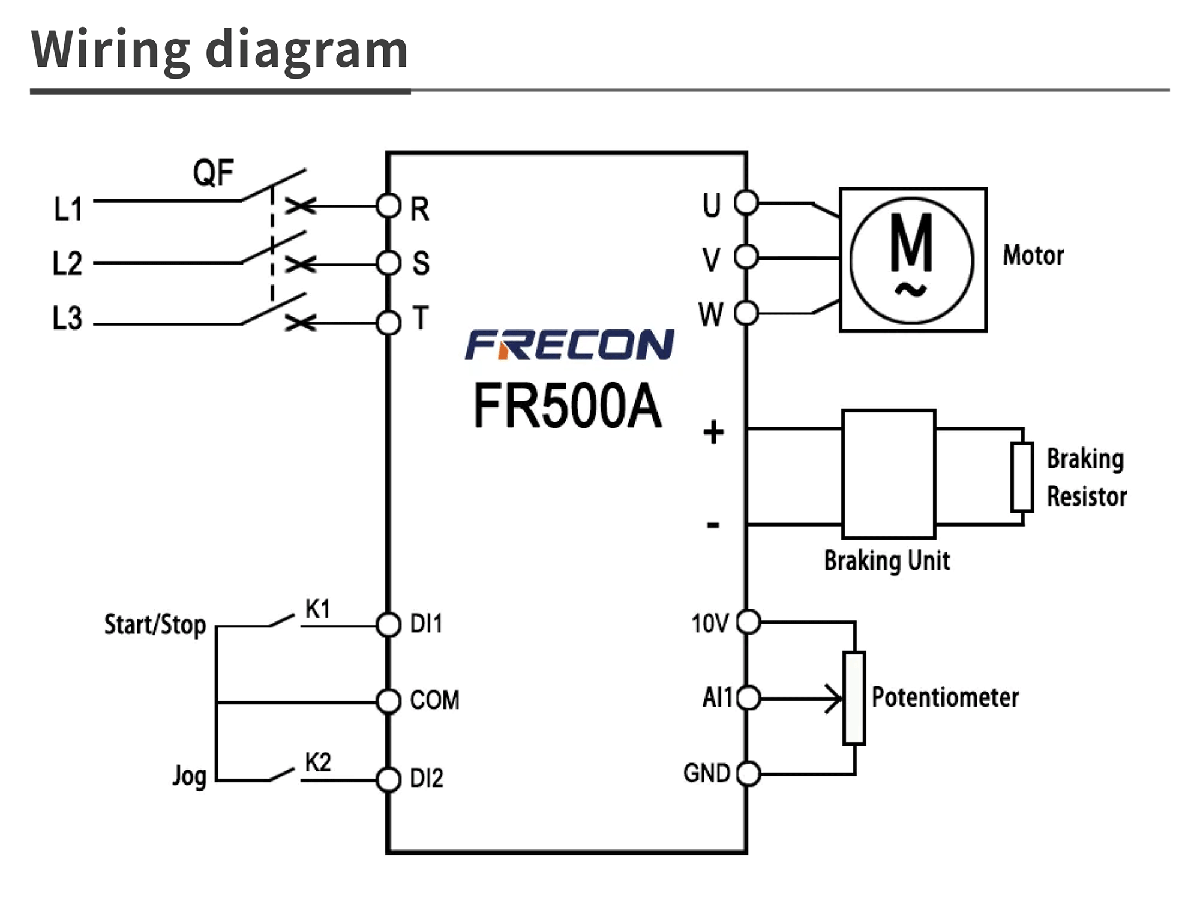

The cold heading machine has shown significant improvement after being upgraded with an FR500A inverter: the motor speed can be adjusted as needed to meet diverse production requirements, greatly improving production efficiency; the starting inrush current is effectively reduced, significantly lowering electrical maintenance costs. The inverter uses vector control technology to ensure high torque output at low frequencies, and with its fast-response system, there is no lag, providing a user experience comparable to industrial frequency operation. The overall upgrade optimizes processing flexibility and stability while achieving cost reduction and efficiency improvement, providing strong support for the automated and efficient production of cold heading machines.