At first glance, a solar pump inverter looks similar to a standard variable frequency drive. Both control motor speed. Both offer protection features. But install a standard VFD in a solar-powered pumping system, and you will quickly discover the differences. As a professional company in the fields of industrial automation, energy efficiency, and green new energy, we at FRECON have over ten years of experience developing both standard inverters and specialized solar solutions. We understand what makes a true VFD for solar pump application different from conventional drives. In this article, we compare solar VFDs against standard VFDs and explain why choosing the right one matters for your project.
Power Source Flexibility: Solar VFDs Handle Unstable Input
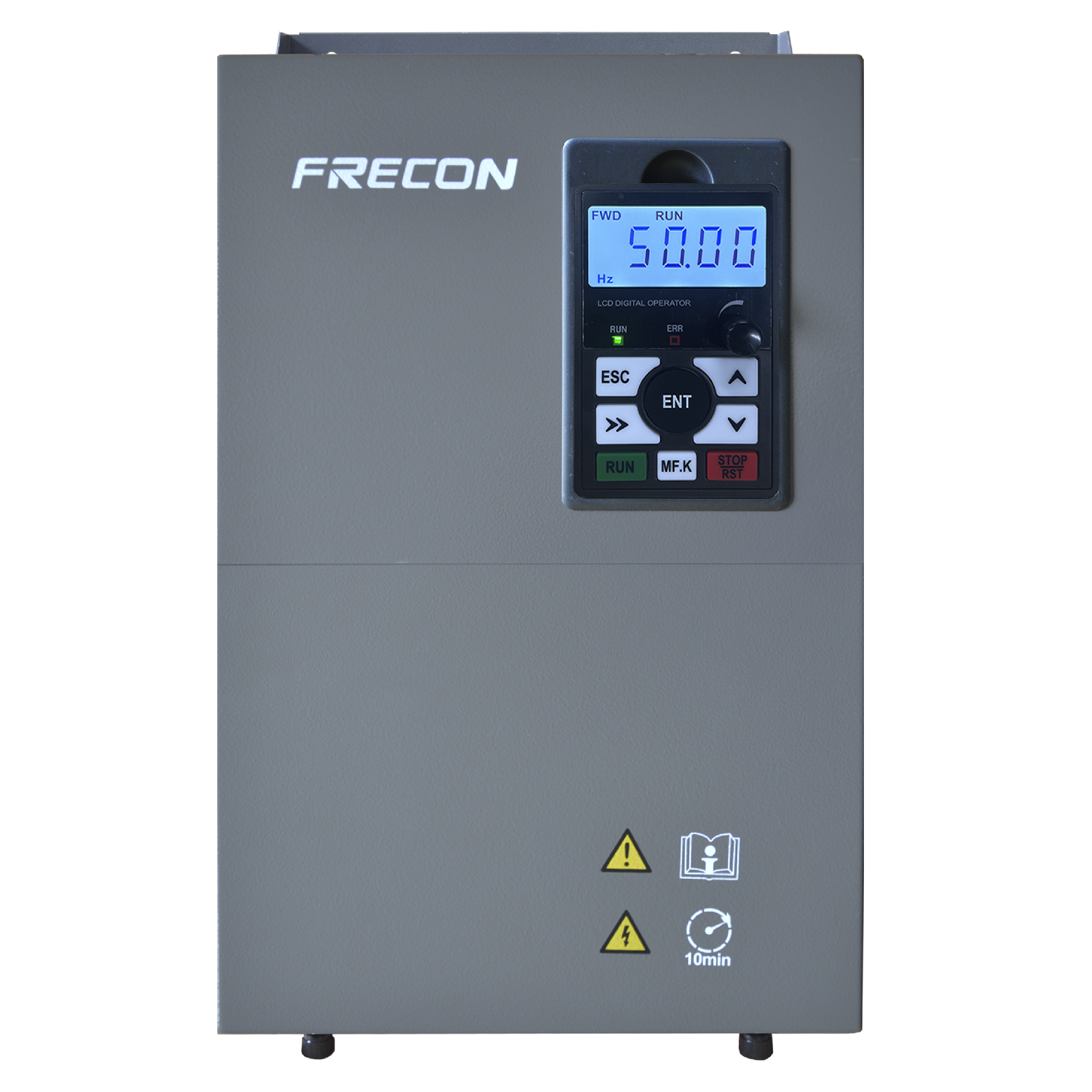
Standard VFDs expect a stable AC power source from the grid. Voltage and frequency remain relatively constant. Solar VFDs, by contrast, must handle wildly varying DC input from photovoltaic panels. As sunlight changes throughout the day, voltage and current fluctuate. A dedicated VFD for solar pump like the FRECON PV380 Series supports both solar DC and power grid AC input, with automatic DC/AC switching. This flexibility is essential for reliable operation. Standard VFDs lack this capability entirely. The PV380 also features built-in anti-reverse diode to prevent current from flowing back to PV modules, improving system safety and reliability—a feature no standard VFD offers.
MPPT Algorithms Maximize Water Yield
The heart of any solar pumping system is maximum power point tracking. MPPT solar pump inverter technology continuously adjusts the electrical load to extract every available watt from solar panels under changing conditions. FRECON's PV380 Series incorporates advanced MPPT algorithms with 99% efficiency, delivering larger water yield under the same conditions compared to systems without true MPPT. Standard VFDs have no MPPT functionality. They simply cannot optimize solar harvesting. For off-grid or hybrid installations, choosing a proper MPPT solar pump inverter is non-negotiable.
Outdoor-Ready Design and Smart Features
Standard VFDs typically carry IP20 ratings, requiring clean indoor installation in control cabinets. Solar pump systems live outdoors—in fields, deserts, or remote pastures. The PV380 Series features true IP65 design for direct outdoor installation, operating reliably from -10°C to 60°C. Additionally, all PV380 models support optional 4G/WIFI modules for real-time remote monitoring and operation via APP and web interface. The inverter automatically enters dormancy mode when sunlight is insufficient and wakes up as sunshine intensity increases. Over-current, over-voltage, phase loss, short circuit, and over-temperature protections come standard. Standard VFDs cannot match this feature set.
Choosing the Right Drive for Solar Applications
For any solar-powered pumping system, a standard VFD will underperform or fail outright. FRECON's PV380 Series delivers the specialized features you need: MPPT, dual power inputs, IP65 outdoor rating, and smart monitoring. Trust a VFD for solar pump from a company with proven expertise. Trust FRECON.