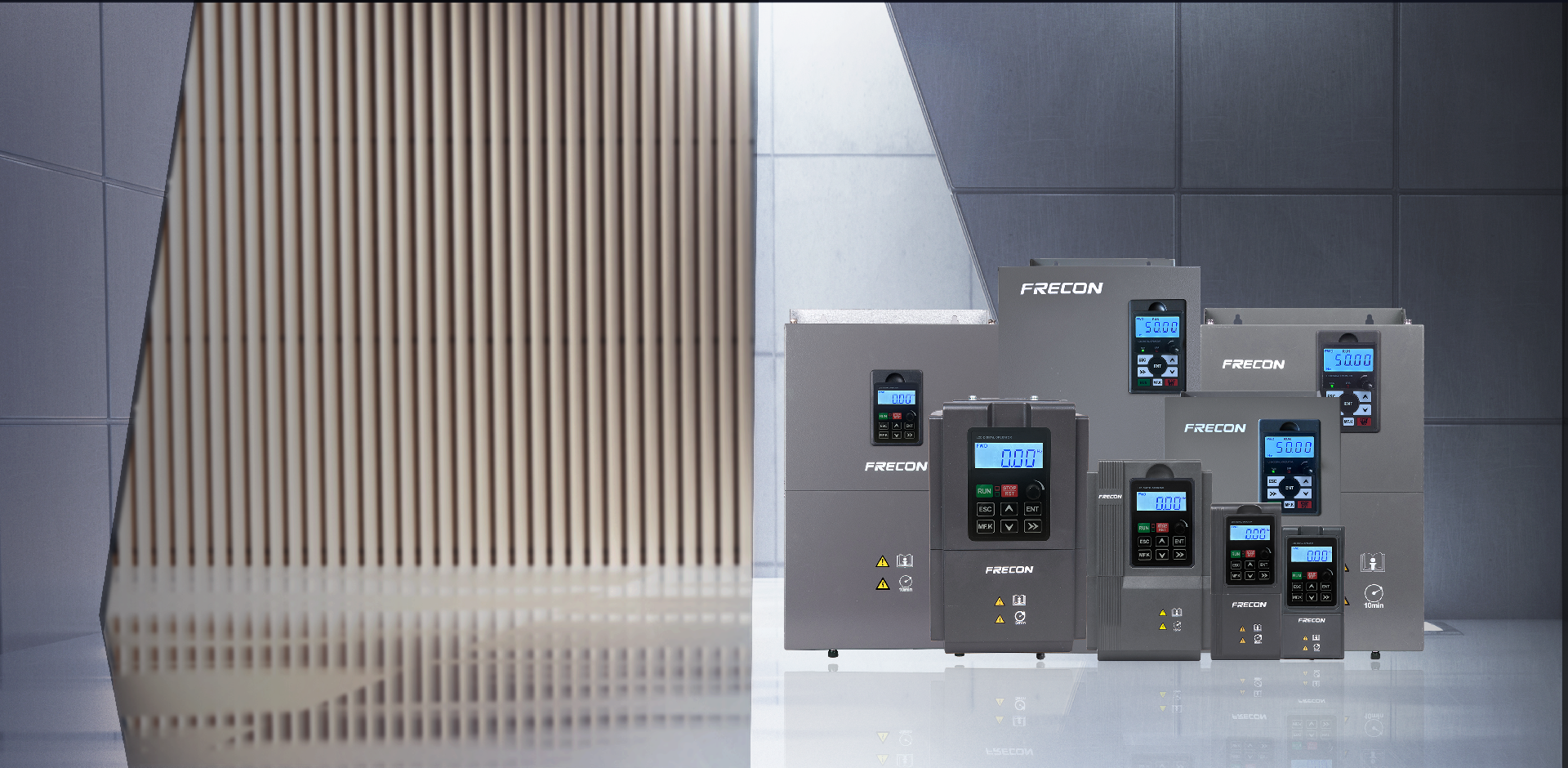
Purchasing a variable frequency drive is a significant investment that affects energy costs, production uptime, and maintenance schedules for years to come. Yet we frequently encounter buyers who focus solely on price, only to discover later that the drive lacks critical features for their application. A thoughtful pre-purchase evaluation prevents costly mismatches and extended downtime. As a manufacturer of VFD inverters and complete VFDs systems, FRECON has guided thousands of customers through this selection process since our founding in 2013. We hold over 40 patents and copyrights, operate 12 national offices, and maintain joint guarantee centers with distribution networks in more than 70 countries. Let us share what we have learned about the essential checks before committing to any VFD purchase.
Check One: Motor Compatibility and Load Type
The first and most critical check involves matching the VFDs to your specific motor and load. You must confirm the motor's rated voltage, full-load current, and insulation class. Older motors with insulation rated below Class F may require output filters to prevent reflected wave damage. Additionally, identify whether your load is constant torque (conveyors, extruders, positive displacement pumps) or variable torque (centrifugal fans and pumps). Constant-torque applications require VFD inverters with higher overload capacity—typically 150% for 60 seconds versus 120% for variable-torque drives. Our FRECON VFDs include selectable overload ratings to match both categories. Never assume a drive designed for a fan will survive on a crusher or hoist. Check the drive's datasheet for its heavy-duty and normal-duty ratings.
Check Two: Environmental and Installation Conditions
Where will the VFD inverters live? This question determines enclosure type, cooling requirements, and derating factors. For clean, climate-controlled panel rooms, IP20 units suffice. But for locations near washdown areas, dust collectors, or outdoor installations, you need IP54 or higher enclosures. Temperature is equally important. Most VFDs are rated for 40°C ambient. For every degree above that, derate the drive by 2% per degree Celsius. At 50°C, a 100kW drive effectively becomes an 80kW unit. Our FRECON VFD inverters feature large margin derating designs, but we still recommend verifying altitude derating above 1000 meters as well. Check your installation space against the manufacturer's required clearances—typically 100mm above and below for proper airflow.
Check Three: Available Features and Communication Needs
Modern VFDs offer far more than speed control. Before purchasing, list the features your application requires. Do you need a built-in PID controller for pressure or flow regulation? What about fieldbus communication—Modbus, Profibus, or Ethernet/IP? Our FRECON VFD inverters include standard Modbus RTU, with optional fieldbus modules available through our distribution network. Also check for features like flying start (catching a spinning motor), automatic torque boost, and energy-saving optimization. Through our 12 national offices and joint guarantee centers across 70+ countries, we provide pre-sales compatibility checks to ensure you do not pay for unnecessary features or miss essential ones.
Getting the Right VFD the First Time
Skipping these pre-purchase checks leads to expensive retrofits, production delays, and premature drive failure. We strongly recommend creating a written specification that covers motor data, load profile, environmental conditions, and communication requirements before contacting any supplier. Contact FRECON through any of our 12 national offices or joint guarantee centers. Let us help you select VFDs that fit your application perfectly—no surprises, no mismatches. With over a decade of experience and 40+ patents, we deliver VFD inverters that perform reliably from day one.