Not all variable frequency drives control motors equally. Basic V/F (voltage/frequency) control works for fans and pumps but struggles when applications demand high torque at low speeds or rapid load changes. Vector control solves these limitations. As FRECON, a professional company in energy efficiency, and green new energy, we have spent over ten years developing inverters, and servo drives. With more than 40 patents and copyrights, our product power range covers 0.2kW to 1MW, all EMC and CE compliant. This article explains what vector control does and why it matters for your operations.
How Vector Control Works Differently
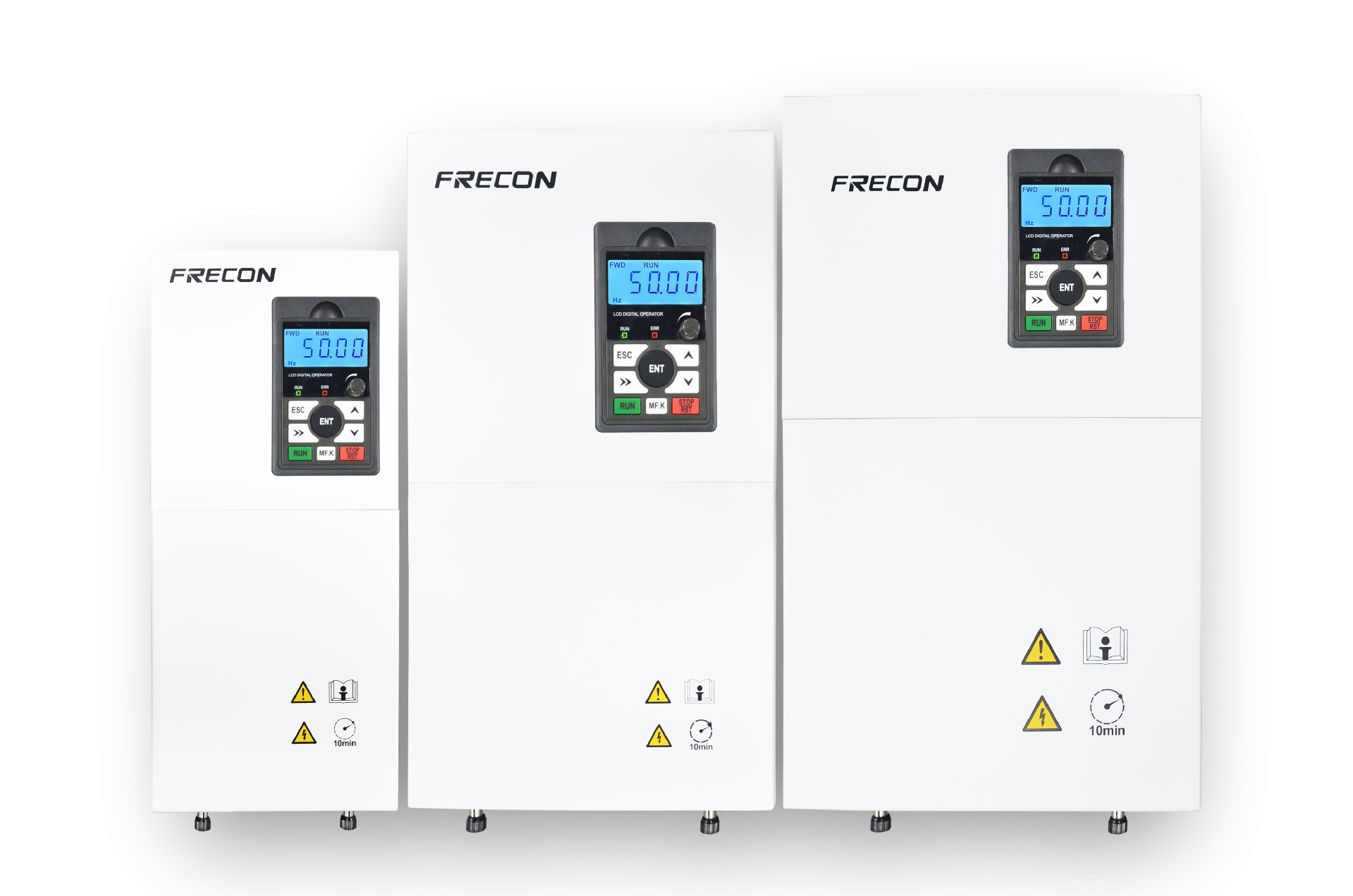
Traditional V/F control treats the motor as a black box, simply adjusting voltage and frequency together. A vector control inverter takes a more sophisticated approach. It mathematically separates the motor's magnetizing current (which creates magnetic flux) from its torque-producing current. By controlling these two components independently, the vector control inverter delivers precise torque and speed even at near-zero RPM. The FRECON FR20 Series General Vector Inverter exemplifies this capability. With built-in STO function and support for advanced vector algorithms, this vector VFD handles applications that would cause standard drives to stall or overshoot. For hoists, cranes, extruders, and precision conveyors, a vector VFD provides the controlled starting torque and load regulation that operators demand.
Real-World Benefits: Low-Speed Torque and Load Regulation
The most noticeable advantage of a vector control inverter appears at low speeds. A standard V/F drive might produce only 50% torque at 5 Hz, causing motors to stall under load. A properly tuned vector VFD delivers 150% to 200% torque at 0.5 Hz, allowing smooth starts even with full load applied. Load regulation is equally important. When a conveyor sees sudden weight changes or a mixer encounters thicker material, a vector control inverter instantly adjusts torque to maintain set speed. Without vector control, speed drops until the drive reacts. The FR20 Series includes a built-in DC reactor and standard C3 filter to ensure stable DC bus voltage during these transient conditions. Additionally, the built-in brake unit provides rapid deceleration for applications requiring frequent stops, such as positioning tables or elevators.
Hardware Features That Support Vector Performance
A vector VFD requires robust hardware to deliver on its theoretical promise. The FR20 Series General Vector Inverter incorporates several design elements that enhance reliability in demanding environments. Independent air duct design separates cooling airflow from electronics, reducing dust buildup on sensitive components. Supports through-wall installation allows the heat sink to sit outside the control panel while the electronics remain inside, ideal for washdown areas or high-particulate environments. The vector control inverter also supports common DC bus solutions, allowing multiple drives to share regenerative energy and reducing braking resistor requirements. For maintenance and deployment, the FR20 supports parameter copy keyboards, enabling rapid setup across multiple drives. An optional USB port provides upgrade program access and host computer connectivity for data logging and remote monitoring.
Why Vector Control Matters for Your Facility
Vector control transforms a simple drive into a precision motion tool. From low-speed torque to load regulation to energy optimization, the benefits affect productivity and product quality. FRECON delivers these advantages through the FR20 Series General Vector Inverter—featuring built-in DC reactor, standard C3 filter, built-in brake unit, built-in STO function, common DC bus support, parameter copy keyboard, independent air duct design, through-wall installation support, and optional USB port. As a vector control inverter and vector VFD specialist, FRECON brings over a decade of experience and more than 40 patents to every application. Contact us to learn how vector technology can solve your toughest motor control challenges.