Electric motors account for a substantial share of industrial electricity use, yet many machines still operate at speeds that exceed actual process requirements. Adjusting motor output to match demand can reduce wasted energy, particularly in pumping, ventilation, and fluid-handling systems.
A frecon inverter can be considered within this broader approach to energy management, where savings depend not only on the drive itself but also on the motor, mechanical load, and control strategy.
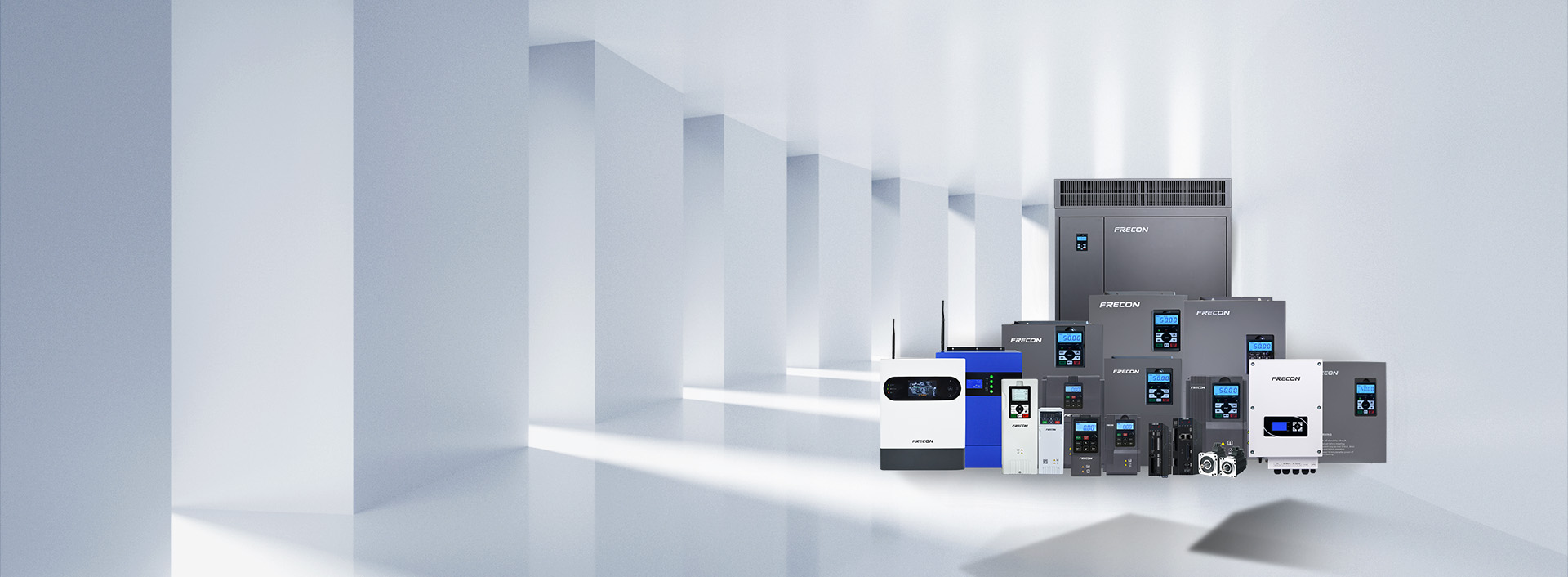
How Variable-Speed Operation Cuts Energy Use
Fixed-speed motors often continue running at full speed even when production demand falls. Operators may regulate flow with valves or dampers, but these mechanical restrictions can waste energy by resisting output that the motor is still producing. Variable-frequency drives take another approach: they adjust the electrical frequency supplied to the motor, allowing speed to change with the task.
The benefit is especially notable in centrifugal pump and fan applications. Under ideal conditions, flow varies roughly in proportion to rotational speed, while power demand can vary approximately with the cube of speed. For example, reducing fan speed from 50 Hz to 45 Hz may bring theoretical power demand down to about 72.9% of the original level, assuming comparable operating conditions. Actual savings will vary with system pressure, efficiency, and the required output.
Not every process follows the same pattern. Conveyors carrying constant loads, positive-displacement pumps, and machines requiring substantial torque at low speed may deliver different results. Before selecting equipment from a Variable Frequency Drive manufacturer, engineers should map operating hours, load changes, required flow or torque, and the consequences of running below rated speed.
Matching Drive Settings to Real Operating Conditions
Energy performance depends on correct configuration as much as hardware capability. Motor nameplate data, rated current, voltage, base frequency, and control mode should be entered accurately during commissioning. Incorrect settings can contribute to excess current, unstable speed, overheating, or inefficient operation, particularly when the drive works across a wide speed range.
Acceleration and deceleration ramps also influence power use and mechanical stress. Gradual starts can limit high starting currents and reduce sudden mechanical loading, while suitable stopping settings may reduce process disruption.
Where a machine repeatedly changes speed, engineers should review the duty cycle and braking requirements rather than assuming that slower acceleration always produces the lowest overall energy consumption.
Control mode should reflect the application. V/f control is often adequate for straightforward fans and pumps, while vector control may be more appropriate where torque response and low-speed operation matter. A high performance VFD can offer more advanced control options, but those features provide practical value only when the application needs them and the system is configured correctly.
Considering Solar Power and Energy Management
Motor efficiency becomes especially important when equipment runs from a limited or variable energy source. Solar-powered pumping systems, for example, must coordinate available photovoltaic power with the pump’s operating requirements. Irrigation demand, sunlight intensity, water level, and pump characteristics all affect how much useful work the system can deliver at a given moment.
FRECON Electric (Shenzhen) Co., Ltd. works across industrial automation, energy efficiency, and green energy applications. Our PV-series solar pumping inverters are designed for solar pump applications, where motor operation needs to respond to the available solar supply. In these systems, effective control involves more than converting electrical power: pump selection, array sizing, hydraulic design, and operating schedules also affect the energy delivered per unit of water.
Energy monitoring can help operators determine whether expected improvements are occurring. Comparing electricity consumption against output—such as cubic metres of water pumped, production units, or operating hours—offers more useful insight than looking at power readings alone. Facilities evaluating a frecon inverter should consider how drive data can be used alongside meters and process records to track energy intensity over time.
Calculating Lifecycle Costs and Maintaining Efficiency
Purchase price is only one part of the financial picture. A meaningful assessment includes installation, electrical protection, commissioning, maintenance, downtime, and energy consumption across the expected service life. A drive that costs less initially may not be the most economical option if it lacks necessary control functions or is poorly matched to the load.
Compatibility checks should cover the motor’s voltage and current ratings, environmental conditions, cable arrangement, cooling, and electromagnetic interference. Low-speed operation may reduce a motor’s self-cooling capacity, while long motor cables can introduce electrical stresses that require additional engineering measures. These factors are especially relevant when replacing older equipment or fitting a drive into an existing production line.
Maintenance practices help preserve efficiency after commissioning. Periodic inspections can identify blocked cooling passages, loose electrical connections, excessive dust, and abnormal operating temperatures. Reviewing fault logs and comparing energy data over time may also reveal changes in load or equipment condition.
When comparing a Variable Frequency Drive manufacturer, buyers should examine documentation, application guidance, diagnostic functions, and service arrangements alongside rated efficiency and control specifications.
Making Energy Savings Measurable
Energy-saving projects work best when they start with a clear baseline. Record existing power consumption, operating hours, process output, and demand variations before changing the control system. After installation, compare results under similar production conditions; otherwise, differences in workload or weather may distort the apparent savings.
Engineers should also distinguish between reduced energy use and reduced electricity cost. Time-of-use tariffs, peak demand charges, and maintenance expenses can affect financial returns even when consumption falls. A high performance VFD may support precise regulation and responsive operation, but its contribution should be measured against the needs of the actual process rather than inferred from its label.
At FRECON, we view energy efficiency as a system-level objective that connects drive selection, motor behavior, application design, and ongoing measurement. By aligning speed with demand, configuring equipment carefully, and reviewing operating data, facilities can identify realistic opportunities to reduce electricity use without compromising process requirements.