High-speed textile spinning requires exceptional control accuracy, fast response, and stable operation to maintain consistent yarn quality and production efficiency. As spinning equipment continues to operate at higher speeds, traditional motor control methods may struggle to meet the demands of modern manufacturing. At FRECON, we focus on industrial automation, energy efficiency, and green new energy solutions, providing advanced inverter technologies that help textile manufacturers improve productivity and equipment reliability.
Why Vector Control Inverter Technology Matters in Textile Spinning
Textile spinning machines rely on precise motor control to maintain constant speed, accurate tension, and smooth acceleration. Even small fluctuations in motor operation can affect yarn consistency, production efficiency, and equipment performance. Therefore, selecting the right drive technology is essential for high-speed spinning applications.
A vector control inverter provides advanced motor control by independently managing motor torque and speed. Compared with basic V/F control, vector control can provide faster torque response and more precise speed regulation when properly configured.
For textile manufacturers, this technology helps ensure that motors can respond quickly to load changes while maintaining stable operation. This is particularly important during startup, acceleration, and sudden changes in spinning conditions where precise control directly influences final product quality.
Key Vector Control Inverter Settings for High-Speed Spinning
Proper parameter configuration is essential to achieve the full potential of a vector control inverter. Before adjusting settings, engineers should ensure that motor parameters, including rated voltage, current, frequency, and speed, are accurately entered into the inverter system.
Motor auto-tuning is another important step. By identifying motor characteristics, the inverter can establish more accurate control parameters for improved speed regulation and torque performance. This allows the drive to operate efficiently across different spinning conditions.
Acceleration and deceleration settings should also be carefully optimized. Textile machinery often requires fast speed changes while avoiding mechanical impact. A high-performance inverter with flexible acceleration control can help achieve smooth transitions and reduce stress on mechanical components.
Low-frequency performance is another critical factor. During startup or slow-speed operation, the inverter must provide sufficient torque output to prevent instability. Advanced vector control technology improves low-speed torque performance, helping spinning equipment maintain reliable operation throughout the production cycle.
Improving Textile Machine Efficiency with High Performance Inverter Technology
A high performance inverter provides more than speed control. It helps manufacturers improve energy efficiency, reduce mechanical wear, and enhance production stability. In high-speed textile applications, these benefits can directly contribute to lower operating costs and improved manufacturing efficiency.
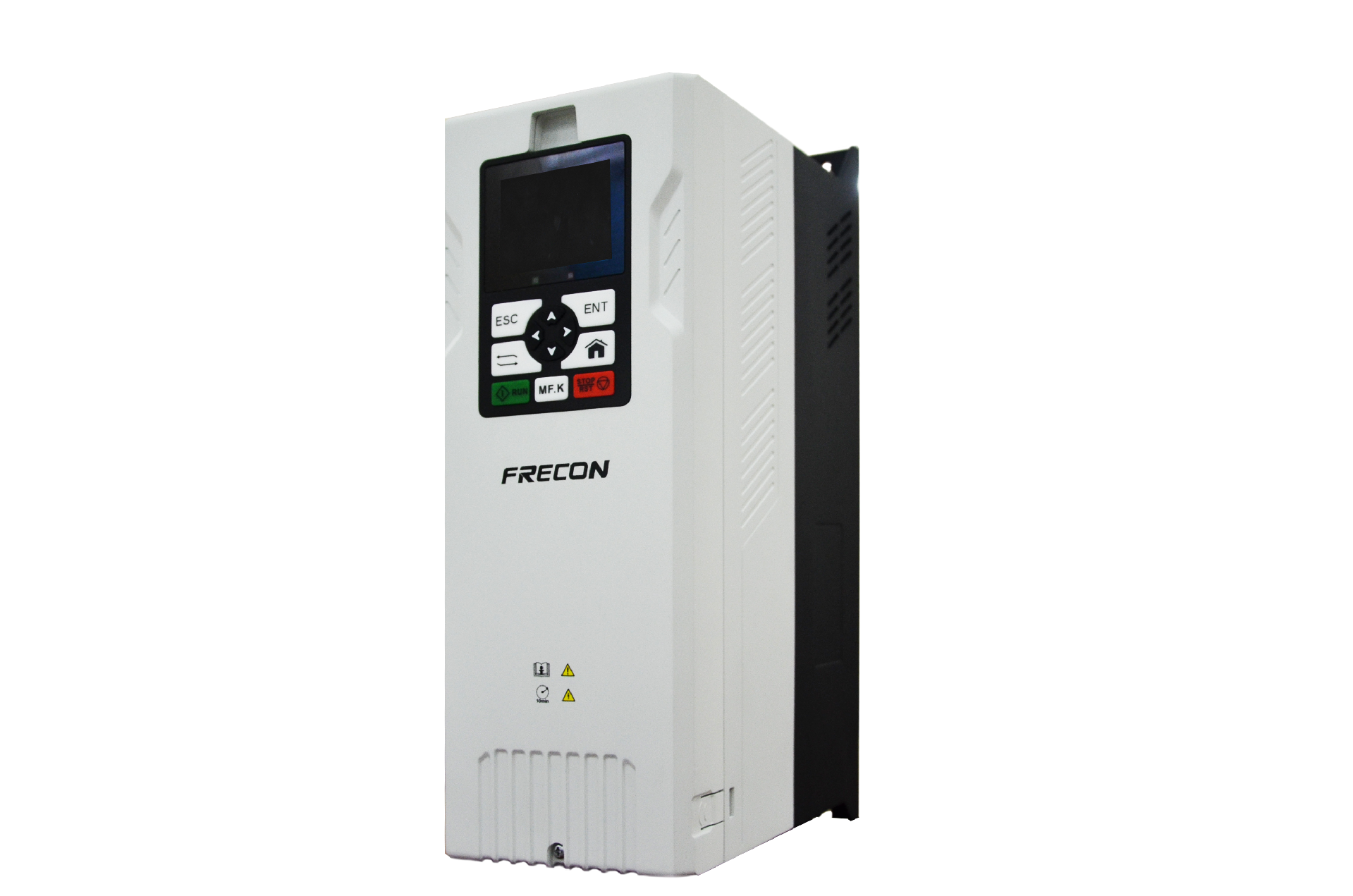
At FRECON, our FR30 Series High Performance Inverter is designed for applications that require high speed control accuracy, fast torque response, and excellent low-frequency output characteristics. Positioned as a full-featured industrial inverter for the mid-to-high-end market, the FR30 Series combines high performance, high quality, and high power density design.
The FR30 Series features flexible control options, including built-in VC, SVC, and VF controls. These functions allow customers to select the appropriate control method according to different equipment requirements. For high-speed textile spinning machines, vector control capability provides the precise regulation needed for stable and efficient operation.
Using Speed Tracking Functions for Smooth Machine Startup
Startup performance is a major consideration in textile spinning because sudden motor acceleration can affect machine stability and product quality. A reliable inverter should be able to manage startup conditions smoothly, especially when the motor may already be rotating due to production processes or mechanical inertia.
The FR30 Series High Performance Inverter includes a speed tracking function that enables smooth and non-impact motor startup. When rapid startup is required, the inverter can identify the current running direction and rotational speed of the motor, then adjust operation accordingly.
This function can help reduce mechanical shock during restart and support more stable machine operation. For textile factories, this means less downtime caused by unstable starting processes and better protection for valuable machinery.
Building a Reliable Drive System for Textile Manufacturing
Selecting the correct vector control inverter is only part of creating an efficient textile production system. Engineers should also consider installation conditions, motor compatibility, load characteristics, and maintenance requirements.
A high-quality inverter should provide stable operation under continuous working conditions. Textile equipment often operates for long production cycles, requiring drive systems that can maintain performance while handling changing loads and environmental factors.
At FRECON, we develop inverter solutions based on practical industrial requirements. Our products are designed to support manufacturers in improving automation levels, optimizing energy consumption, and achieving more reliable production processes.
Advancing Textile Production Through Smarter Inverter Solutions
High-speed textile spinning demands accurate motor control and dependable equipment performance. By applying optimized vector control inverter settings, manufacturers can achieve better speed regulation, faster response, and smoother operation.
At FRECON, we continue to provide advanced automation technologies that support industrial customers worldwide. Through the FR30 Series High Performance Inverter, we help textile manufacturers build efficient and reliable drive systems that meet modern production challenges. With precise control functions and intelligent design, we are committed to helping businesses improve productivity and move toward smarter manufacturing.