Solar pumping performance cannot be judged by a single efficiency figure. Energy conversion, motor compatibility, hydraulic conditions, and sunlight variability all influence how much water a system can deliver from available solar power.
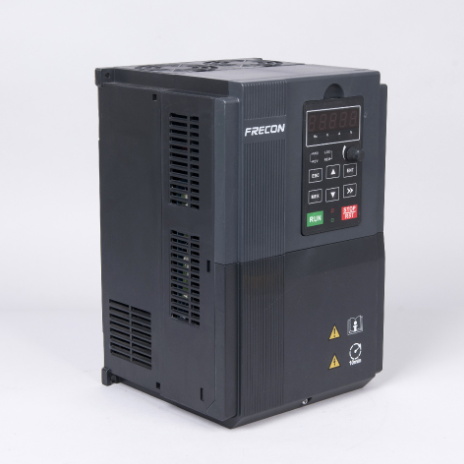
Comparing equipment fairly requires consistent test conditions and clearly defined measurements. The frecon solar pump inverter is one example of equipment that can be assessed through this broader process, with attention to both electrical performance and the demands of the pumping application.
Defining What Efficiency Really Measures
Inverter efficiency describes how much input electrical power is converted into usable output power, with the remainder lost mainly as heat. Engineers commonly calculate it by dividing output power by input power and expressing the result as a percentage. However, the figure can change with operating load, input voltage, switching frequency, and temperature, so a single rated value may not represent everyday performance.
Solar pumping systems also require a wider measure: hydraulic output relative to the solar energy available. A drive may convert electricity efficiently, yet the overall system can perform poorly if the pump is incorrectly sized, pipes create excessive resistance, or the water source requires greater lifting height than expected. Measuring both inverter efficiency and water delivery provides a more practical assessment.
Test conditions should be documented before products are compared. Relevant variables include DC input voltage, output frequency, motor load, ambient temperature, and the duration of each test. For a solar pump inverter manufacturer, publishing clear test methods and operating limits helps buyers understand whether reported results reflect typical field use or a narrowly defined laboratory condition.
Comparing Factory Tests With Real Operating Conditions
Factory testing provides a controlled environment for checking electrical behavior, protection functions, and consistency between units. Input and output power can be measured with calibrated instruments while the inverter operates at selected loads. Repeating tests at several operating points reveals how efficiency changes from light load to higher demand instead of relying on one favorable result.
Field conditions are less predictable. Solar irradiance varies with cloud cover, season, panel orientation, and shading; water demand may also change throughout the day. These factors affect the power available to the drive and the amount of water pumped. Field evaluations should therefore record solar conditions and hydraulic output alongside electrical measurements.
Production quality and product performance are related, but they are not interchangeable. A solar inverter factory may maintain consistent assembly procedures and inspection records, yet the finished system still requires correct installation and commissioning. Buyers should review test reports, calibration practices, traceability, and quality-control procedures while also checking whether the published results match their intended operating conditions.
Understanding Motor Compatibility and Control
Motor selection affects how effectively solar energy becomes useful pumping work. Asynchronous motors are widely used in industrial applications, while permanent magnet synchronous motors can offer different efficiency and control characteristics depending on their design and operating range. Compatibility between the inverter and motor should be confirmed before testing, since mismatched settings can distort performance comparisons.
The PV500 series water pump solar inverter supports both asynchronous and permanent magnet synchronous motors, according to the supplied product information. This flexibility allows engineers to evaluate different motor configurations for demanding pumping applications. Rather than assuming one motor type always performs better, testing should compare matched pump duties, operating speeds, and water delivery requirements.
Control strategy also matters. Variable-speed operation allows pump output to respond to available solar power and changing water demand. Incorrect acceleration settings, unsuitable frequency limits, or poorly configured motor parameters may reduce output or cause unnecessary trips. When evaluating the frecon solar pump inverter, users should record motor type, control settings, input conditions, and hydraulic results so that performance differences can be interpreted accurately.
Evaluating Factory Quality and Long-Term Reliability
Efficiency measurements provide only part of the picture. Temperature rise, component stability, protective functions, and performance under changing input conditions can affect whether a unit continues operating as expected. Suitable testing may include sustained-load operation, start-and-stop cycles, protection response, and checks under specified environmental conditions.
Manufacturing consistency can be assessed through documented inspection procedures, calibrated test equipment, component traceability, and records of corrective actions. These practices help identify variation between production batches and make it easier to investigate faults. When comparing a solar inverter factory, buyers should request evidence of the tests performed rather than treating factory capacity or product appearance as proof of technical quality.
Reliability should also be evaluated in the context of the installation. Dust, humidity, high temperatures, cable routing, and inadequate ventilation may influence service life. Maintenance access, troubleshooting information, and the availability of technical assistance are therefore relevant to the total operating cost. A useful comparison considers not only initial efficiency but also the effort required to keep the system operating under real conditions.
Turning Test Results Into Better Purchasing Decisions
A meaningful comparison begins with an agreed test plan. Buyers should specify the motor and pump, target flow rate, total dynamic head, solar input range, and expected daily operating profile. Each candidate system can then be assessed against the same requirements, reducing the risk of comparing unrelated specifications or test results.
Data should be interpreted across several operating points. Peak efficiency may occur at a load that represents only a small part of the working day, so weighted performance across the expected duty cycle can provide a more useful estimate. For solar pumping, reporting water volume alongside energy input helps connect electrical measurements to the outcome that matters to the user.
At FRECON, we work in industrial automation, energy management, and sustainable energy applications. We believe transparent testing and application-based evaluation provide a stronger basis for selecting solar pumping equipment than isolated specification figures.
A capable solar pump inverter manufacturer should make technical data understandable, while a reliable solar inverter factory should maintain consistent quality practices. By combining controlled tests with realistic field measurements, buyers can assess the frecon solar pump inverter and competing solutions more fairly and make decisions based on measurable performance.