Moving industrial electrical equipment across borders involves much more than arranging a truck and booking ocean freight. Weight, packaging, moisture protection, customs documentation, and destination handling all affect whether products arrive ready for installation.
For buyers coordinating international projects, shipping plans should be developed alongside technical and purchasing decisions. A solar pumping inverter may travel through several warehouses and transport modes before reaching a farm, water facility, or remote site, making careful logistics planning essential.
Preparing Equipment for Export
Export preparation begins with confirming the shipment’s physical specifications. Dimensions, gross weight, packaging configuration, and lifting points determine which pallets, crates, vehicles, and loading equipment are appropriate. Accurate measurements also help freight forwarders calculate container utilization and avoid unexpected charges when cargo reaches the terminal.
Electrical equipment requires protection against more than impact. Moisture, dust, vibration, and sudden temperature changes can affect sensitive components during storage and transit. Export packaging should match the expected route and handling conditions, with suitable cushioning, sealed barriers, and clear handling instructions where necessary. Heavy units must also be secured against movement during braking, lifting, and ocean transport.
Before cargo leaves the production site, the shipping team should reconcile model numbers, quantities, serial numbers, packing lists, and commercial invoices. Documentation errors can delay customs clearance even when the equipment itself is ready.
A well-organized solar inverter factory can support this process through consistent labeling, traceable inspection records, and coordination between production, warehouse, and export personnel.
Choosing the Right Transport and Handling Method
Sea freight is often considered for heavy industrial shipments because it can accommodate substantial cargo volumes at a competitive cost. However, the best option depends on delivery deadlines, destination infrastructure, cargo dimensions, and the availability of suitable containers. Air freight may be useful for urgent replacement units, although weight and size can make it expensive for large equipment.
Container selection requires attention to both dimensions and loading limits. Standard containers may suit many packaged units, while unusually heavy or oversized shipments may require specialized arrangements. The shipper should verify container payload limits, floor loading, cargo distribution, and the equipment needed to load and unload each package safely.
Handling plans matter at every transfer point. Forklift pockets, lifting eyes, package orientation, and center-of-gravity information should be communicated to the carrier and receiving team. For a solar pump inverter manufacturer, providing accurate handling specifications helps logistics partners prepare suitable equipment instead of making assumptions when cargo arrives at a port or warehouse.
Managing Customs and Export Documentation
Cross-border shipments depend on consistent and accurate paperwork. Commercial invoices, packing lists, transport documents, certificates of origin, and product-specific declarations may be required depending on the countries involved. The applicable tariff classification should be confirmed with a qualified customs professional, since incorrect classification can lead to reassessment, extra charges, or clearance delays.
Shipping terms also determine which party handles transport, insurance, customs responsibilities, and delivery risks. Buyers and sellers should agree on the relevant Incoterms rule and named place before booking freight. Clear allocation of responsibilities reduces disputes over port charges, import duties, unloading costs, and final-mile transportation.
Communication between the exporter, freight forwarder, customs broker, and importer should begin before dispatch. Destination-specific requirements may affect labeling, certificates, or the information requested by customs authorities. Businesses sourcing from a solar inverter factory should confirm these requirements early, particularly when equipment is destined for remote agricultural regions where delays can disrupt installation schedules.
Protecting Cargo During Long-Distance Transit
Transit conditions are not always predictable. Containers may experience vibration, condensation, high temperatures, and repeated handling during transfers. Packaging design should account for the planned route and expected storage environment, while cargo securing must prevent heavy units from shifting or striking adjacent packages.
Moisture management deserves special attention in marine transport. Temperature fluctuations can cause condensation inside enclosed containers, potentially exposing electrical equipment to damp conditions. Appropriate moisture barriers, desiccants where suitable, and sound container inspection practices can reduce risk. Packaging should not obstruct required ventilation or contradict the equipment’s storage instructions.
Coordinating Delivery With Installation Requirements
Arrival at the destination port does not mean the logistics process is finished. Heavy equipment may still need customs release, local transportation, lifting arrangements, temporary storage, and delivery to a site with limited road access. Remote irrigation and water-management projects require especially careful coordination because cranes, forklifts, or suitable unloading areas may not be readily available.
Delivery dates should be aligned with site readiness. If foundations, electrical connections, pump assemblies, or installation crews are not prepared, early arrival can create storage costs and increase exposure to environmental risks. Sharing estimated arrival times and updating schedules when vessel or customs delays occur helps project managers adjust labor and equipment bookings.
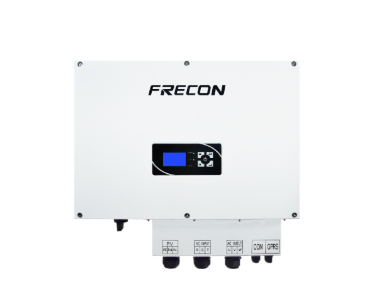
FRECON’s PV580 Series IP65 solar water pump inverter is designed for operation in demanding environments, with an optimized MPPT algorithm and support for both DC and AC power input. These features are relevant to agricultural irrigation, daily water supply, and desert water-management applications, particularly where electricity access is limited.
Even with equipment designed for challenging conditions, correct packaging, transport handling, storage, and installation remain important. At FRECON, we recognize that export coordination is part of delivering a practical solution, not simply a final step after manufacturing.
Conclusion
Successful export logistics connect factory preparation, freight planning, regulatory compliance, and destination readiness into one coordinated process. Clear specifications help carriers handle heavy cargo safely, while accurate paperwork and early communication reduce avoidable border delays. Buyers should assess not only product suitability but also the exporter’s ability to provide documentation, handling guidance, and reliable shipment coordination.
By planning each stage carefully, a solar pumping inverter can move from production to its final installation site with fewer disruptions. At FRECON, we believe close cooperation between our team, logistics partners, and customers supports smoother international delivery and better preparation for the equipment’s intended service.