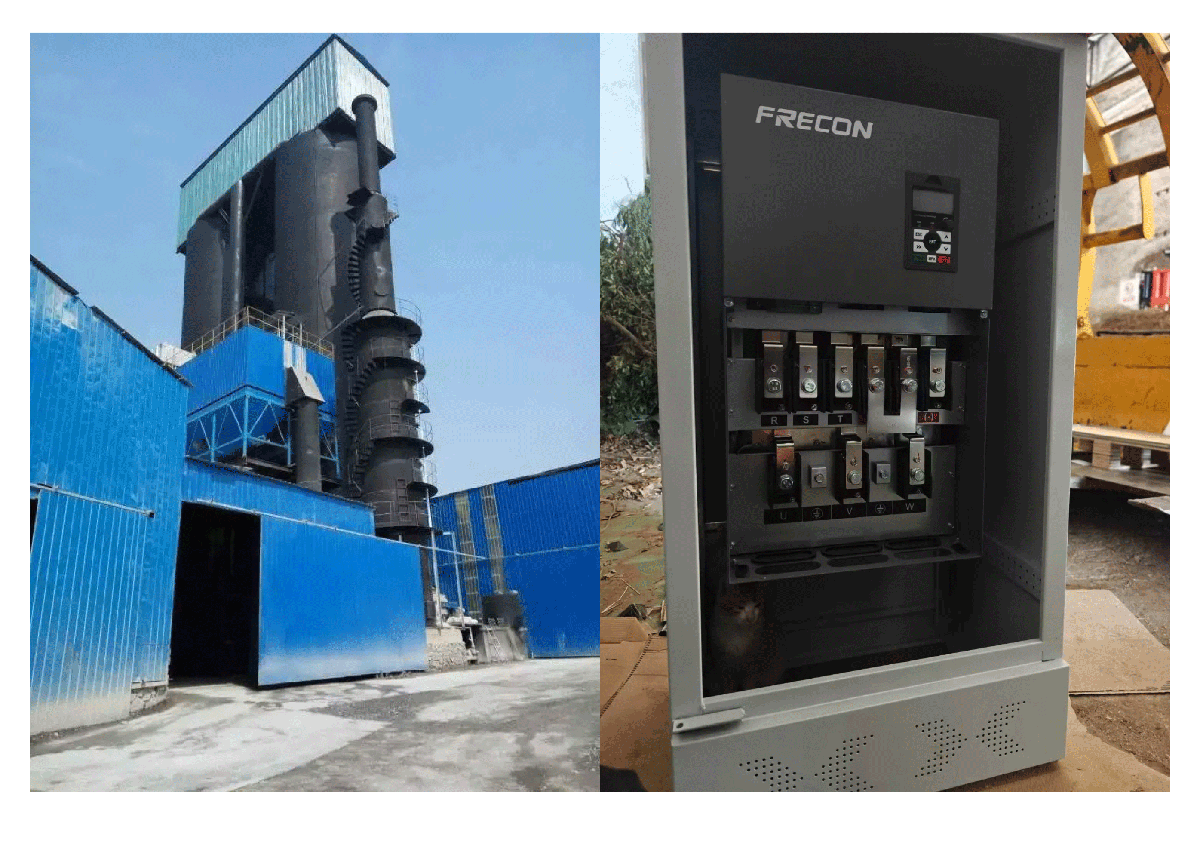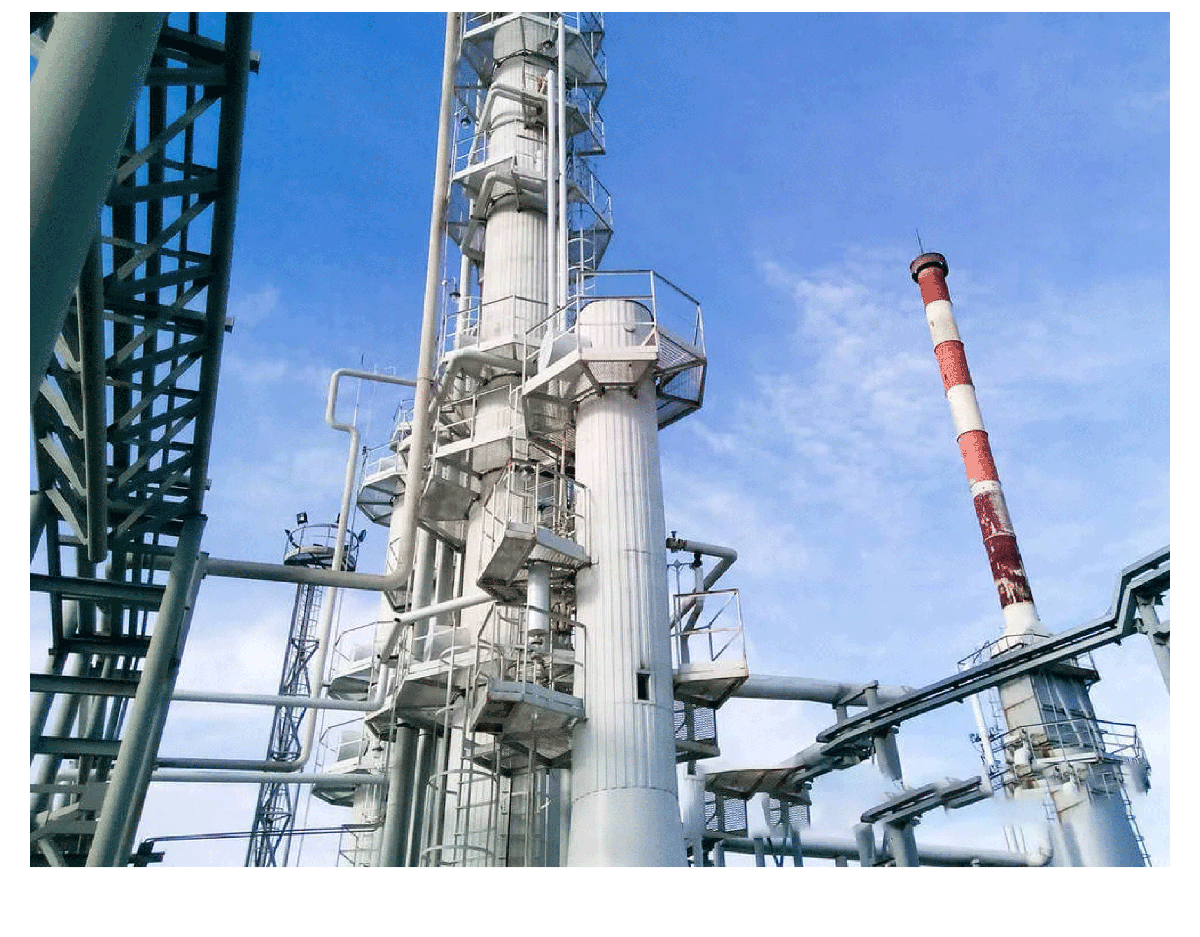
Heating furnaces are core industrial equipment in multiple industries such as metallurgy and petroleum. Rolling steel heating furnaces require precise temperature control, which is achieved by regulating the fuel combustion through the air volume of the blower. Traditional blowers adjust the air volume by manual butterfly valves, with the motor running at full speed and the contactor starting and stopping, presenting issues such as poor energy efficiency, difficult debugging, and high failure rates. By installing the FR500A-560kW inverter, the operation mode can be effectively optimized, overcoming the drawbacks of traditional control methods, ensuring the efficient and stable operation of the heating furnace blower, and helping iron and steel plants reduce costs and increase efficiency.
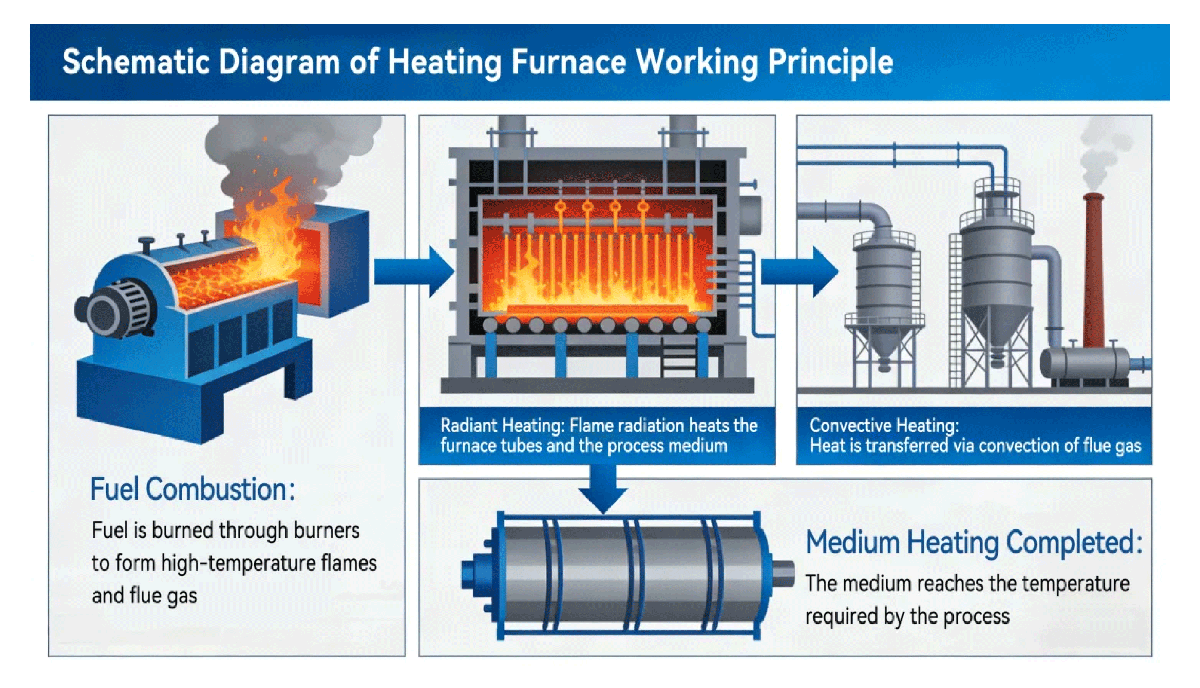
A heating furnace is mainly composed of five parts: a radiation chamber, a convection chamber, a waste heat recovery system, a burner, and a ventilation system. Its overall structure also includes a steel structure, furnace tubes, furnace linings, burners, and various types of hole accessories. The ventilation system is responsible for supplying combustion-supporting air and exhausting waste flue gas, and it is divided into two types: natural ventilation and forced ventilation. Natural ventilation is achieved by means of chimney draft, while forced ventilation is accomplished with the help of a fan.
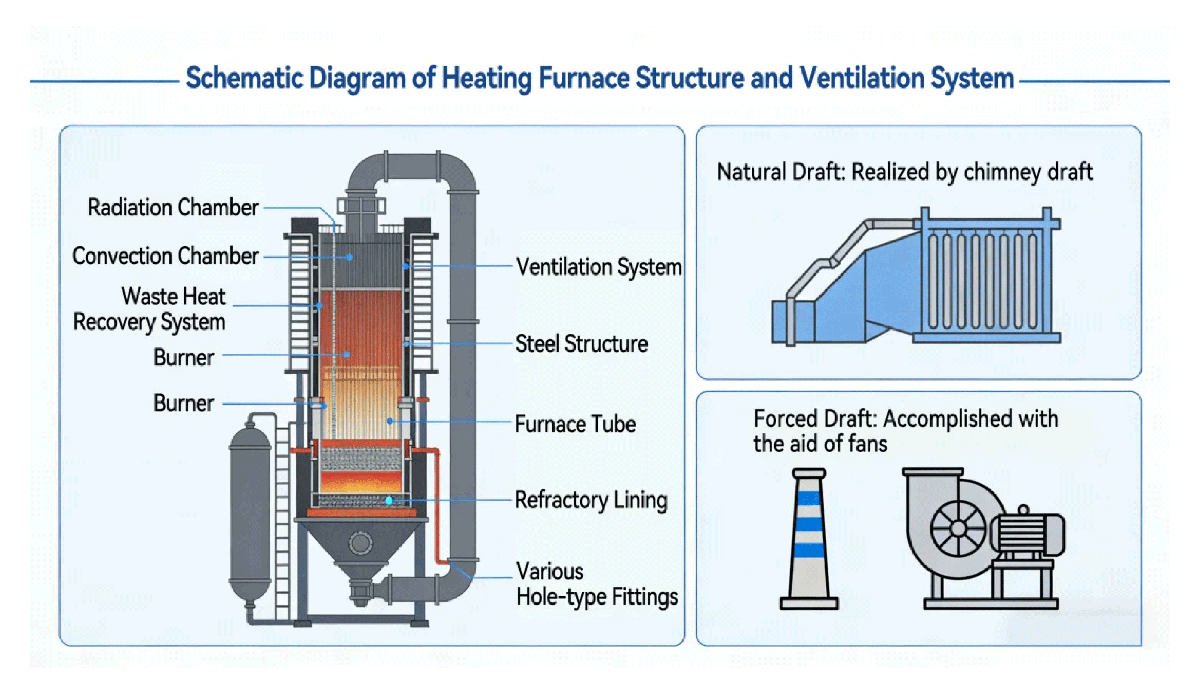

The heating furnace uses high-temperature flames and flue gas generated by fuel combustion as heat sources to heat the medium flowing inside the furnace tubes, bringing it to the temperature required by the process. After the fuel is burned by the burner, high-temperature flames and flue gas are formed. The flames heat the furnace tubes and the internal medium in the radiant chamber through radiation; the flue gas enters the convection chamber under the action of the chimney draft or induced draft fan, and then transfers heat through convection, ultimately completing the heating of the medium.
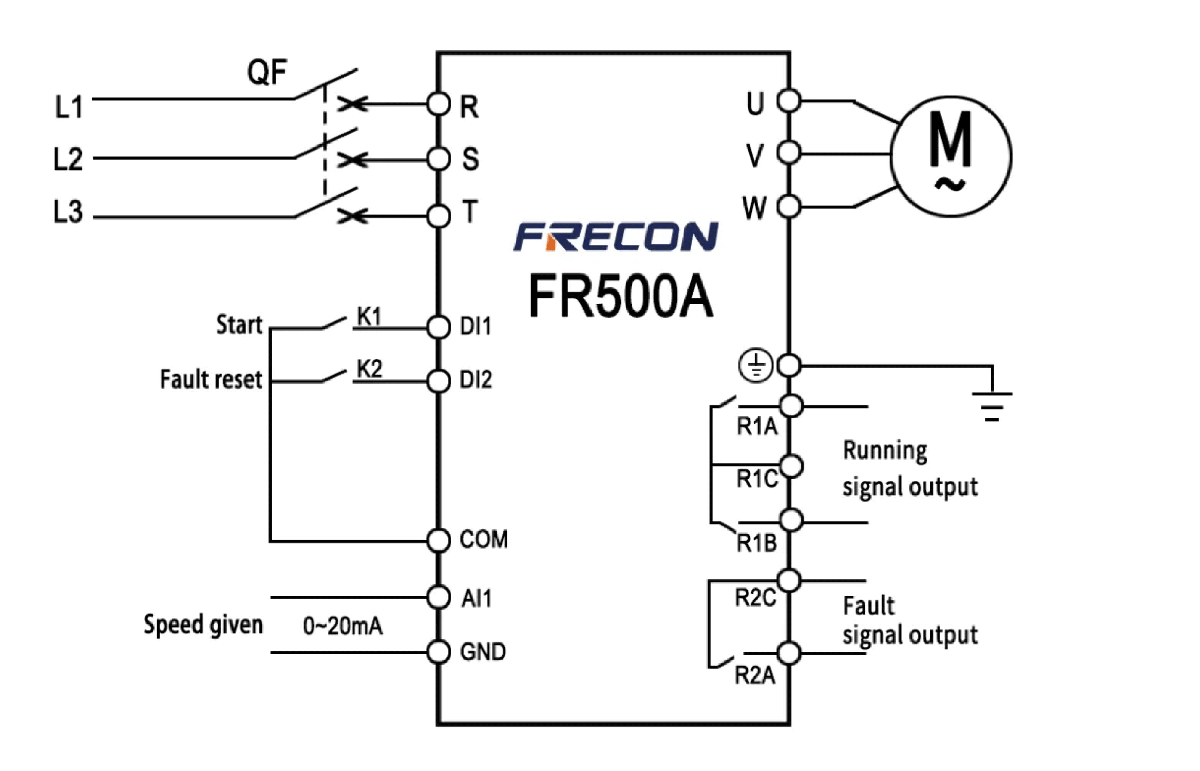
The on-site heating furnace ventilation system is equipped with a 560kW large blower, driven by a FRECON FR500A-560kW Inverter. The Inverter controls the blower to deliver the air required for combustion to the burner, providing sufficient oxidant for fuel combustion and ensuring a stable combustion rate. The system sets the frequency through a remote panel to precisely adjust the motor speed, thereby flexibly regulating the blower's air pressure and volume to meet the combustion requirements of the heating furnace under different working conditions.

In summary, the FR500A inverter, with its advantages such as high energy efficiency, stable operation, precise speed regulation, and high reliability, perfectly meets the working condition requirements of the heating furnace ventilation system. It effectively optimizes air volume and pressure control, improves combustion efficiency, reduces energy consumption and equipment wear, provides reliable guarantee for the safe and stable operation of industrial heating furnaces, and has significant application value in the fields of industrial furnaces such as metallurgy and chemical industry.