Heat inside an inverter cabinet is more than an environmental concern; it can affect component life, operating stability, and the amount of maintenance a pumping system requires. Solar installations face an additional challenge because available power changes with sunlight, while outdoor equipment may experience substantial temperature swings.
Understanding how a VFD for solar pump applications manages motor demand, conversion losses, and cooling conditions helps engineers make better decisions about system design. At FRECON, we focus on practical inverter technology and installation considerations that support reliable operation in changing field conditions.
Understanding Where Inverter Heat Comes From
Heat develops naturally as electrical energy passes through power semiconductors, switching components, magnetic elements, and internal conductors. Some energy is lost during switching, while other losses arise from electrical resistance. The amount of heat produced depends on factors such as current, switching frequency, load level, ambient temperature, and the drive’s design.
Operating conditions can change these losses considerably. Higher motor current increases conduction losses, while frequent acceleration and deceleration may create additional thermal demand. Poorly matched motor settings can also cause inefficient operation, so checking rated current, voltage, and frequency is important before evaluating the thermal performance of the drive.
Solar pumping introduces fluctuating input power. Under weak sunlight, the system may reduce motor speed or stop temporarily, depending on its control strategy and configuration. Such behavior can lower average electrical loading, but repeated starts, unstable operation, or unnecessarily high current can create additional stress. A high efficiency inverter should therefore be evaluated across realistic operating cycles rather than judged solely by its performance at one fixed load.
Using Motor Control to Limit Unnecessary Losses
Motor speed has a direct relationship with the power required by many pumping systems. In centrifugal pumps, reducing speed can substantially reduce hydraulic power demand under suitable operating conditions. This relationship allows the controller to adjust output to available solar energy instead of forcing the motor to run at a fixed speed regardless of the water requirement.
Control parameters influence how smoothly the motor responds. Excessively aggressive acceleration settings may create high current demand, while poorly selected minimum-frequency settings can prevent the pump from operating effectively. Engineers should consider the pump’s operating curve, static head, required flow, and motor characteristics before making adjustments. Reduced speed is not automatically beneficial if the pump can no longer deliver water at the required pressure or volume.
Maximum power point tracking also contributes to appropriate power use by adjusting the photovoltaic array’s operating point as irradiance changes. However, MPPT and motor control perform different functions: one manages the available electrical power from the solar array, while the other governs motor behavior. A VFD for solar pump systems should coordinate these functions within the equipment’s supported control strategy, avoiding repeated attempts to demand more power than the array can supply.
Improving Outdoor Thermal Management
The installation environment can be just as important as the drive’s internal design. Direct sunlight heats the enclosure, while restricted airflow allows internal temperatures to rise. Dust, insects, moisture, and debris may also affect equipment exposed to outdoor conditions. Installation planning should account for solar exposure, mounting orientation, nearby heat sources, and access for inspection.
Enclosure ratings help define the conditions an installation can tolerate, but they must be interpreted correctly. An IP rating describes protection against specified ingress of solids and water; it does not independently indicate cooling capacity or confirm that a unit can operate at every outdoor temperature. Designers should follow the product manual for mounting clearances, ventilation, cable entry, and environmental limits rather than assuming that a sealed enclosure needs no thermal assessment.
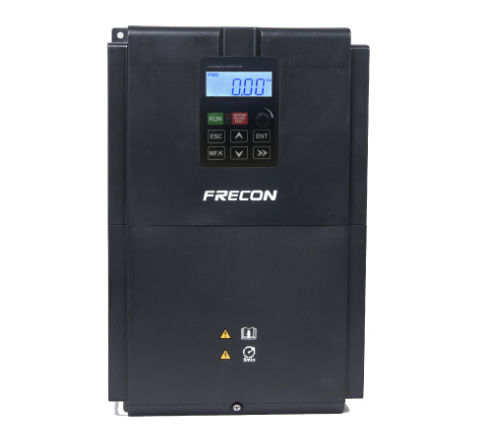
The PV380 series solar pump inverter offers an IP65 enclosure design intended for outdoor installation. Optional 4G or Wi-Fi connectivity is available across its models, supporting remote monitoring and operation through an app or web interface. These features can help operators observe system status without visiting the installation, although communication functions do not replace local environmental checks or maintenance. Actual thermal suitability must still be assessed against the site conditions and the manufacturer’s specifications.
Monitoring Temperature and Diagnosing Performance Changes
Temperature monitoring can reveal problems before they develop into repeated shutdowns. Engineers should record ambient temperature, inverter status, operating current, motor speed, and any available thermal readings during representative pumping periods. Comparing these values over time can help distinguish a normal seasonal increase from a developing issue involving ventilation, excessive load, or electrical connections.
Remote monitoring adds visibility to installations spread across farms, irrigation networks, or isolated water sources. If the system supports online data access, operators may be able to identify recurring trips, unusual operating schedules, or periods when output falls below expectations. A high efficiency solar inverter installation benefits most when monitoring records are connected to practical maintenance actions, rather than collecting data without reviewing it.
Diagnosis should follow evidence instead of assumptions. If temperature rises while motor current remains high, the pump load and hydraulic conditions may deserve investigation. If overheating occurs despite modest current, technicians should examine ambient conditions, airflow, enclosure exposure, and possible hardware faults. Alarm history, wiring inspections, and comparisons with normal operating data help narrow the cause. Changes to protective limits should never be used simply to suppress recurring thermal warnings.
Conclusion
Lower thermal stress comes from controlling avoidable electrical losses while giving the equipment suitable environmental conditions. Motor settings, solar-power tracking, enclosure placement, and monitoring all contribute to the outcome, but each must be assessed against the real requirements of the pumping installation. At FRECON, we approach solar drive performance as a combination of control capability and practical application needs.
In solar pump installations, a properly configured VFD can match motor demand to variations in sunlight, while careful placement and regular maintenance help control heat buildup. A combined assessment of these factors offers a more solid foundation for reliable operation throughout the system’s service life.