The purchase price of a solar pumping system tells only part of its financial story. Installation labor, electrical compatibility, water demand, maintenance requirements, and seasonal energy availability all influence the total cost over years of operation.
Businesses comparing a solar inverter manufacturer should look beyond the initial quotation and examine how equipment specifications align with the site’s actual pumping needs. At FRECON, we focus on practical engineering considerations that help customers assess long-term value rather than making decisions on purchase price alone.
Calculate the Total Cost Before Comparing Quotes
Comparing quotations is more useful when every supplier prices the same scope of work. One proposal may include monitoring accessories, protective components, commissioning guidance, and technical support, while another may cover only the inverter itself. Without a consistent comparison, the lowest headline price may conceal additional expenses that appear during installation.
Total cost of ownership includes equipment, transportation, wiring, mounting, labor, maintenance, and possible downtime. Remote agricultural sites may face particularly high service costs because technicians must travel long distances to inspect a fault. Buyers should also consider whether replacement components are readily available and whether local technicians can perform routine checks.
A financial estimate should reflect the expected service life and operating schedule. Calculate annual water demand, anticipated operating hours, and seasonal changes in sunlight before estimating energy-related savings. Reliable solar inverter solutions are selected according to the actual application, so an oversized system may waste capital while an undersized one may struggle to meet peak water requirements.
Match Inverter Capacity to the Pumping Task
Equipment sizing should start with the pump and motor rather than a preferred inverter model. Engineers need to identify motor voltage, rated current, power, frequency, and motor type, then confirm compatibility with the drive’s supported specifications. Hydraulic information is equally important: total dynamic head, required flow rate, pipe losses, and water-source conditions determine how much work the pump must perform.
Oversizing can increase upfront expenditure without improving water delivery. Undersizing may result in restricted output, frequent protection trips, or difficulty starting under demanding conditions. Correct sizing requires consideration of startup behavior, changing solar power, and the pump’s operating curve, not simply matching two power ratings.
Hybrid operation can also affect purchasing decisions. Some installations benefit from the ability to use solar power alongside grid AC input, depending on the equipment’s supported configuration. Buyers should compare the cost of backup supply, switching requirements, and expected operating hours during low-irradiance periods. A well-matched solar pump solution should meet water demand under realistic conditions without adding unnecessary hardware or complexity.
Evaluate Features by Their Practical Value
Extra functions are worth paying for only when they solve a real operational problem. Built-in protection can help manage specified electrical or operating faults, while MPPT technology adjusts the photovoltaic array’s operating point as sunlight changes. Buyers should review which protection functions are included, which settings are adjustable, and whether external components are still required.
Monitoring capabilities may reduce the cost of diagnosing problems at remote sites. Depending on the system, online access can provide useful information about operating status, alarms, and performance trends. However, communication features may require additional modules, network coverage, software access, or subscription costs. Verify these details before assuming that remote monitoring is included in the quoted price.
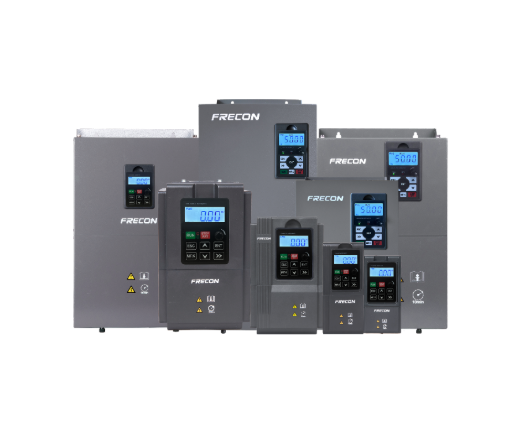
The PV150A Series Solar Water Pump Inverter is designed around advanced MPPT control, hybrid supply capability, built-in protection, and battery-free operation. Its supported motor types include asynchronous motors, permanent-magnet synchronous motors, and brushless DC motors. These capabilities may suit different pumping configurations, but buyers should confirm model-specific ratings, input requirements, and supported functions against the official documentation before calculating project savings.
Reduce Installation and Maintenance Expenses
Installation costs often depend on the clarity of the design as much as on equipment price. Before ordering, confirm cable lengths, conductor sizing, protection devices, grounding arrangements, enclosure requirements, and mounting conditions. Incomplete planning can lead to extra site visits, replacement materials, and commissioning delays.
Outdoor installations require particular attention to environmental exposure. Dust, moisture, heat, vibration, and direct sunlight can affect the conditions under which electrical equipment operates. Selecting equipment suited to the site and following its installation instructions may help reduce avoidable faults. Buyers should not assume that every enclosure or inverter has the same environmental rating.
Maintenance planning should be included in the purchasing process. Ask about recommended inspection intervals, fault diagnosis procedures, spare-part availability, warranty coverage, and the information required when requesting technical assistance. A solar inverter manufacturer that provides clear documentation can make it easier for installers and operators to manage the equipment over time. The practical value lies in accessible information and support that match the project’s requirements.
Conclusion
Cost reduction in solar pumping depends on sound sizing, transparent quotations, installation planning, and realistic estimates of long-term operation. Comparing only equipment prices can obscure expenses associated with compatibility, servicing, or insufficient water delivery. At FRECON, we believe buyers benefit from evaluating specifications against actual site conditions and asking suppliers for clear technical and commercial details.
A carefully assessed solar pump solution should balance initial investment with dependable water output, while suitable solar inverter solutions can support easier operation and maintenance over time. These principles help turn procurement into an informed engineering decision rather than a price-only comparison.