Reliable solar pumping depends on more than photovoltaic output. Motor compatibility, changing water levels, electrical input conditions, and protective responses all influence whether a system can deliver water consistently in the field. Testing a solar pump VFD under realistic operating conditions helps installers identify problems before they cause downtime or equipment damage. At FRECON, we focus on practical drive applications and the control features that help solar pumping systems respond to changing site conditions.
Preparing the Electrical Test Setup
Before energizing the system, technicians should verify the available power source, inverter input ratings, motor nameplate information, cable connections, and protective grounding. Single-phase supply and three-phase motor requirements must be distinguished clearly, since the drive’s input and output capabilities depend on its specific design. Incorrect assumptions about phase configuration can lead to unsuitable equipment selection or unsafe wiring.
Testing instruments should match the electrical quantities being measured. A suitable multimeter can verify voltage, while an appropriately rated clamp meter can help measure current during operation. Where waveform quality or transient behavior matters, qualified personnel may use additional instruments designed for the relevant measurement category. Instruments should be used according to their ratings and safety procedures.
The test plan should also document the hydraulic arrangement. Pump type, pipe diameter, total head, water source, and expected flow all affect motor loading. Recording these conditions creates a baseline for later comparisons and prevents electrical performance from being judged independently of the pumping task.
Verifying Phase Conversion and Motor Compatibility
Phase conversion must be evaluated against the inverter’s documented electrical architecture. Some drives accept single-phase AC input and provide three-phase output for a compatible motor, while other products require three-phase input. Input voltage, permissible current, derating requirements, and motor ratings should be checked before installation.
The phrase single phase to 8 phase inverter should not be interpreted as a standard configuration: buyers need to confirm the actual phase-conversion capability stated in the product documentation, since ordinary pump drives commonly support specific input and output arrangements rather than eight-phase motor output.
Once compatibility is established, technicians can inspect the motor’s rotation direction and operating current under controlled conditions. Initial testing should use conservative operating settings within the manufacturer’s recommendations. Unexpected current, abnormal vibration, unusual noise, or repeated fault indications should prompt investigation before the pump is placed into routine service.
Motor behavior should also be checked across a suitable operating range. The test should consider startup, acceleration, steady operation, and stopping behavior, while avoiding conditions that could run the pump dry or exceed its mechanical limits. These observations reveal whether the electrical setup and control parameters are suitable for the intended duty.
Testing Water-Level Protection and Pump Response
Electrical testing alone cannot confirm that a pumping system will respond correctly to changing water conditions. Low source-water levels can cause dry running, while a full storage tank may make continued pumping unnecessary. Protection logic should therefore be assessed as part of the system’s operating sequence, using safe test methods and the instructions provided for the equipment.
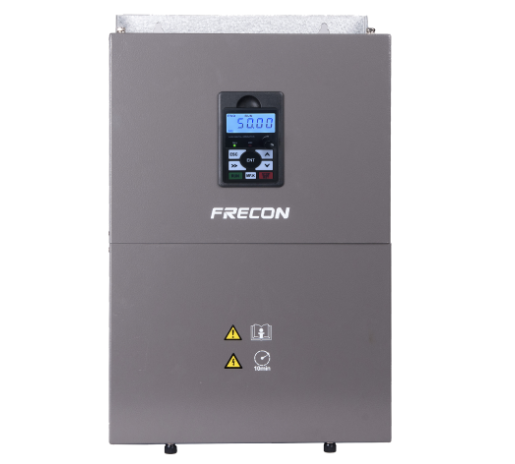
The PV150A Series Solar Water Pump Inverter is a single-phase to three-phase drive. It includes intelligent water-level management with dry-run protection and tank monitoring, automatically stopping the pump at low water levels and resuming when the tank refills. During commissioning, installers should verify sensor connections, parameter settings, and supported control logic rather than assuming the functions operate without configuration.
Test records should identify the conditions that trigger a stop, the resulting drive status, and the circumstances under which pumping resumes. Where sensor-based control is used, technicians should check the sensor installation and signal behavior as well as the drive’s response. This process helps separate a genuine protection response from wiring faults, incorrect settings, or inconsistent water-level readings.
Evaluating Performance Under Changing Solar Conditions
Solar input varies with cloud cover, panel temperature, shading, and the angle of sunlight. A test performed under steady midday conditions may not reveal how the pump behaves during a rapid reduction in available power. Where photovoltaic input is part of the installation, testing should cover representative operating conditions while staying within the system’s documented limits.
Maximum power point tracking can adjust the photovoltaic array’s operating point to make use of available solar energy. However, tracking performance should be considered alongside motor demand and hydraulic output. If sunlight cannot support the requested load, the system may need to reduce speed or pause, depending on its design and settings. Monitoring input voltage, current, motor speed, and water delivery helps explain these changes.
Useful solar inverter solutions combine compatible electrical hardware with control settings suited to the site. Test results should include actual water output, operating duration, fault history, and the environmental conditions recorded during each trial. These measurements provide a more meaningful evaluation than peak motor speed alone, especially for installations where daily water volume matters more than short bursts of high output.
Conclusion
Field testing is most useful when it verifies the entire pumping sequence, from electrical input and motor response to water-level protection and delivered flow. Phase compatibility must be confirmed from actual specifications, while solar variability and hydraulic conditions should be included in performance checks.
At FRECON, we emphasize application-based evaluation and clear commissioning records to support informed decisions about drive configuration. Carefully selected solar inverter solutions can help operators manage real operating demands, but dependable results come from matching the equipment to the installation, validating each protective function, and maintaining evidence of how the system performs over time.