Reliable solar pumping depends on more than converting photovoltaic power into motor output. Irradiance changes throughout the day, pump loads fluctuate with hydraulic conditions, and electrical components must operate within defined limits. At FRECON, we recognize that testing provides the evidence needed to evaluate performance under these changing conditions.
Any solar inverter company developing equipment for agricultural irrigation, livestock watering, or remote water supply should assess not only electrical operation but also tracking accuracy, thermal behavior, protection responses, and long-term stability. Understanding these tests helps buyers interpret technical claims and identify the measurements that matter in real installations.
What High-Frequency Testing Actually Measures
Electrical testing begins with the relationship between input power, output frequency, and motor behavior. Engineers examine whether the inverter responds predictably when the DC supply changes or the required pump speed shifts. Measurements may include input voltage, output current, frequency stability, and conversion losses. These values reveal whether the drive operates within its specified range and whether abnormal fluctuations appear during transitions.
The switching frequency inside an inverter is different from the output frequency supplied to the motor. High-frequency switching can influence current-waveform quality, acoustic noise, and switching losses, but increasing it does not automatically improve overall efficiency. Test engineers must consider semiconductor temperatures, electromagnetic interference, motor compatibility, and the manufacturer's operating limits. A balanced evaluation considers the entire drive system rather than treating one frequency specification as proof of performance.
Testing should also distinguish steady-state behavior from transient response. A pump may operate smoothly after conditions stabilize yet experience current spikes or unstable speed during startup, acceleration, or rapid changes in sunlight. Engineers can record these transitions using power analyzers, oscilloscopes, and temperature sensors. Repeated trials under controlled conditions make it easier to compare results and identify whether observed variations come from the inverter, motor, or power source.
Evaluating MPPT Performance Under Variable Sunlight
Maximum power point tracking, commonly called MPPT, helps photovoltaic systems extract usable power as sunlight and panel temperature change. During testing, engineers vary the simulated solar input or use controlled PV conditions to observe how quickly the inverter approaches the available maximum power point. Relevant measurements include tracking time, power utilization, and recovery after irradiance changes. Results should cover more than one operating condition because a single favorable test cannot represent an entire day.
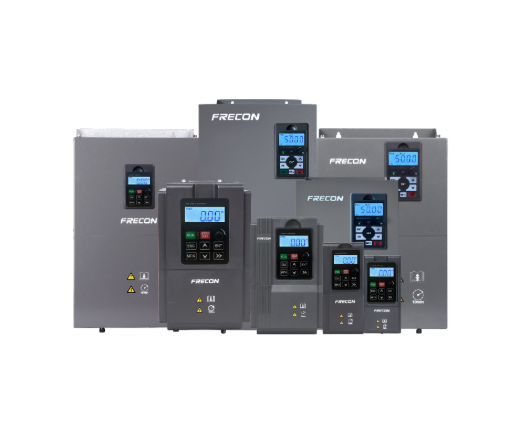
The PV500 series high-frequency solar pump inverter features intelligent MPPT control, with tracking efficiency specified at up to 99%. This figure describes the stated tracking capability, not necessarily the efficiency of the complete system from sunlight to delivered water. To interpret the result properly, testers need to understand the measurement method, test conditions, and whether the reported figure represents a peak value or performance across a broader operating range.
Water output offers another useful perspective on MPPT behavior. Engineers can compare flow rate and pumping consistency as irradiance rises, falls, or changes abruptly. However, hydraulic measurements must account for total dynamic head, pipe resistance, pump characteristics, and water levels. A drop in flow does not automatically indicate poor tracking; the cause may lie in the hydraulic system or available solar power. Combining electrical and hydraulic measurements produces a more meaningful assessment.
Checking Motor Compatibility and Protection Functions
Pump motors vary in rated voltage, current, power, speed, and starting characteristics. Before testing, engineers should confirm that the inverter's electrical ratings match the intended motor and that the selected control mode suits the application. Laboratory trials can then examine acceleration, deceleration, operating stability, and responses to changing mechanical loads. Tests across the expected operating range are more informative than running the pump at one convenient speed.
Protection testing examines how the equipment responds when operating conditions move outside permitted limits. Depending on the design, test scenarios may include input undervoltage, overcurrent, overheating, overload, and abnormal motor operation. Engineers record the trigger point, response time, fault indication, and recovery behavior. These checks should follow documented procedures and manufacturer limits rather than deliberately exposing equipment to uncontrolled hazards.
A solar pump controller also needs to be assessed in the context of the water system it manages. Dry-run protection, tank-level signals, and water-level monitoring can help prevent unnecessary operation when water is unavailable or storage is full, provided those functions are supported by the specific model and configured correctly. Testers can simulate sensor signals and verify the resulting operating response. Field commissioning should then confirm that wiring, sensor placement, and pump behavior match the intended control logic.
Conclusion
Evaluating solar pumping equipment requires a structured approach that connects electrical measurements with real water-delivery needs. A capable solar inverter company should be able to explain its test methods, disclose relevant operating conditions, and distinguish peak specifications from results measured across a broader range.
Buyers comparing a high-frequency solar pump inverter should examine MPPT behavior, thermal limits, motor compatibility, and protection responses together, while confirming that the solar pump controller functions match the application. At FRECON, we view transparent testing and practical system evaluation as essential parts of developing dependable solar pumping equipment, helping users make decisions based on measurable performance rather than specifications alone.