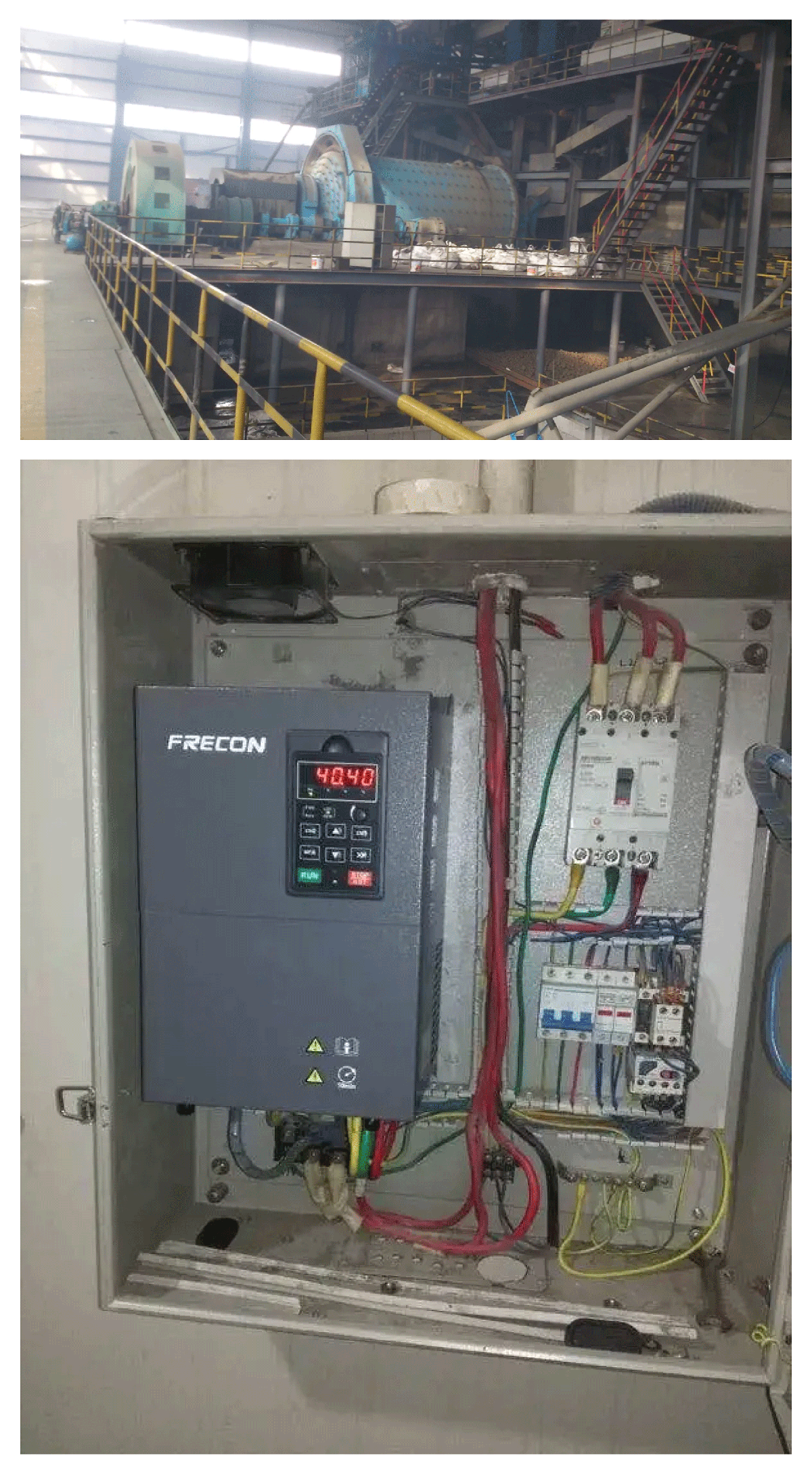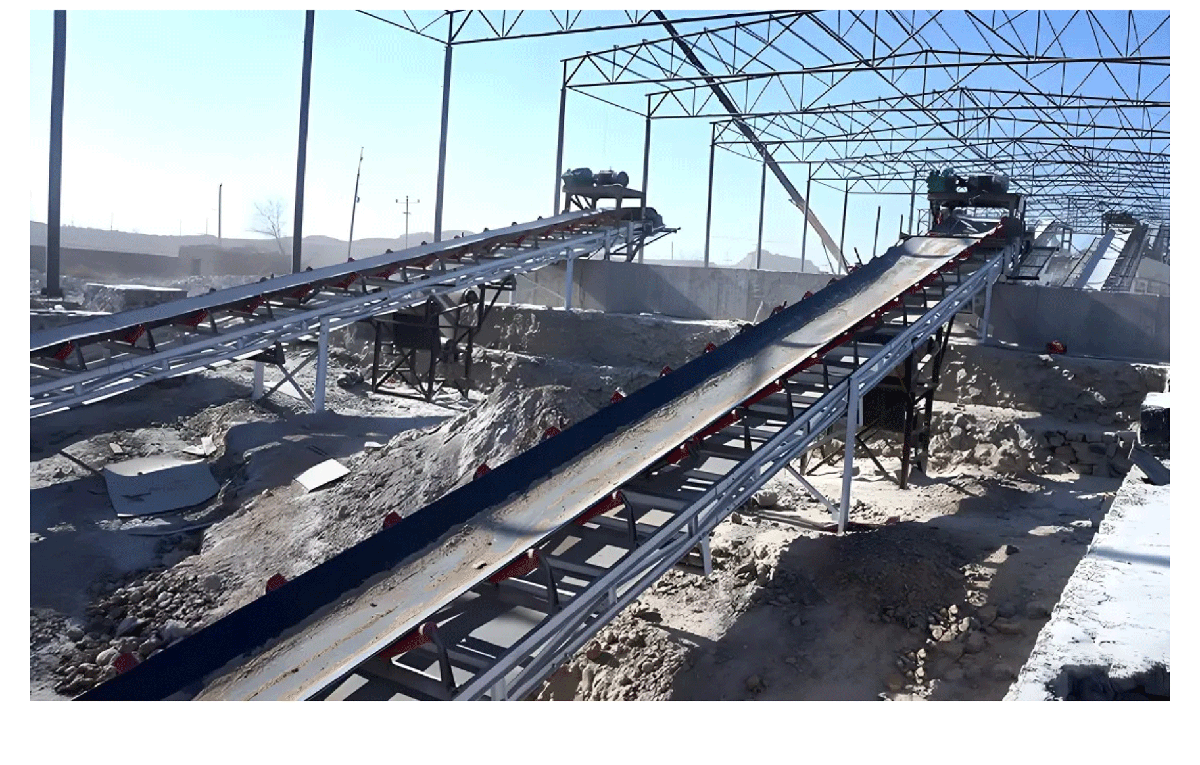
Belt conveyors are core equipment for high-yield and high-efficiency production in modern coal mines. Traditional belt conveyors operate at industrial frequency with hydraulic couplings, resulting in high energy consumption, uneconomical operation, and the inability to soft start and stop, causing significant mechanical impact, accelerating equipment wear, and incurring high maintenance costs. After retrofitting with FRECON FR500A inverter s, thanks to their superior vector control and master-slave synchronization functions, stable operation, energy saving, and consumption reduction are achieved, significantly reducing wear and maintenance costs and substantially improving the economic and social benefits of coal mines.
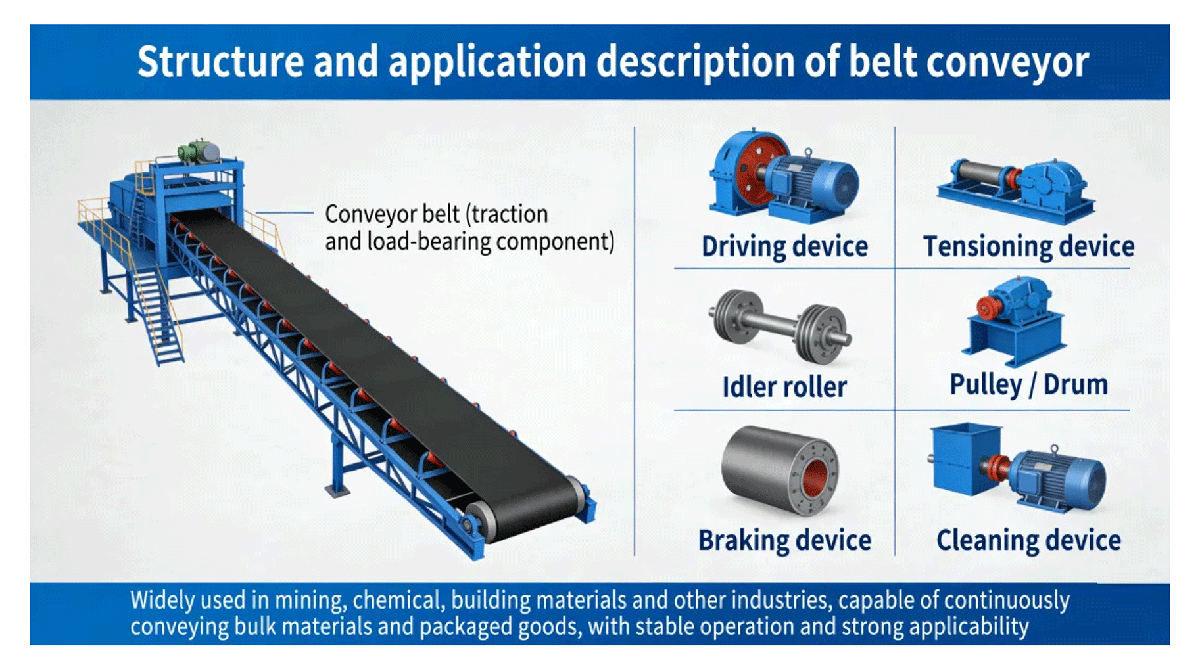
Belt conveyors, also known as belt conveyors or rubber belt conveyors, are widely used in industries such as mining, chemical, and building materials. They use a conveyor belt as the traction and load-bearing component and consist of drive, tensioning, idler rollers, drums, braking, and cleaning devices. They can continuously transport bulk materials and packaged goods, offering stable operation and strong applicability.

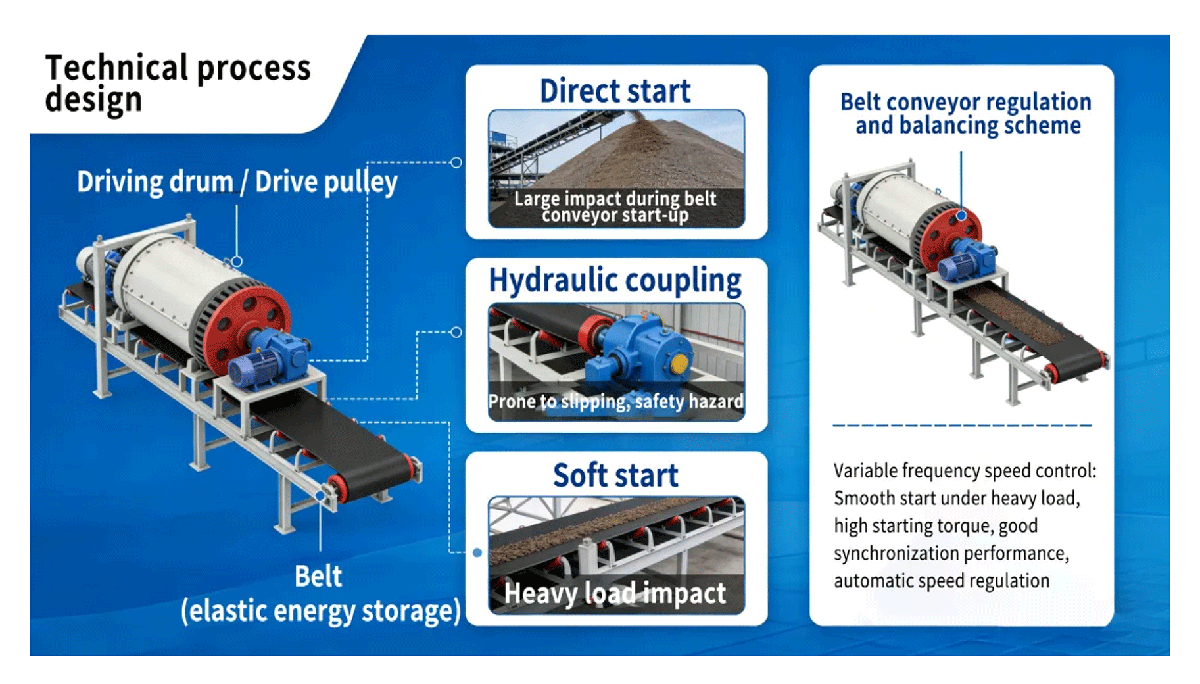
Belt conveyors rely on the friction between the drive pulley and the belt for continuous transport. The belt possesses elastic energy storage characteristics, placing high demands on starting and driving technologies. They must meet requirements for smooth start-up, flexible speed adjustment, energy efficiency, reliability, and high cost-effectiveness.
Traditional starting methods have significant drawbacks: direct start-up results in large impact and material accumulation; hydraulic coupling is prone to slippage, posing safety hazards. Variable frequency speed control (VFD) enables smooth start-up under heavy loads, provides high starting torque and good synchronization performance, and can automatically adjust speed according to material conditions, significantly saving energy and improving the motor power factor, making it an ideal control solution.
This article takes two 380V/160kW motor-driven belt conveyors in a coal mine washing plant as an example. The customer requires balanced output and even load distribution between the two machines. The core of multi-machine frequency conversion lies in speed synchronization and torque balance, necessitating the selection of a dedicated vector control inverter .
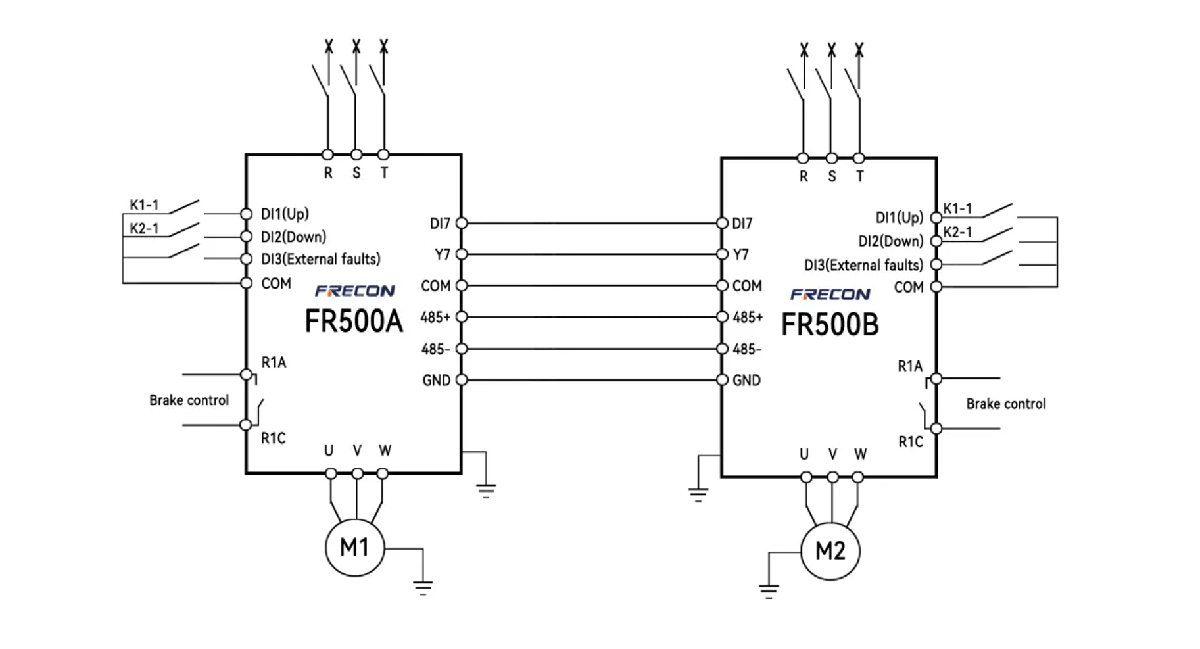
FRECON FR500A series inverter was selected, possessing excellent starting torque, overload capacity, and high-precision speed regulation, supporting multiple frequency settings and master-slave control. Two inverter s of the same power were configured on-site, using a master-slave mode for synchronous operation. The master converter operates in speed mode, while the slave converter can select either torque or speed mode, meeting the requirements for smooth full-load start-up and balanced output between the two machines.
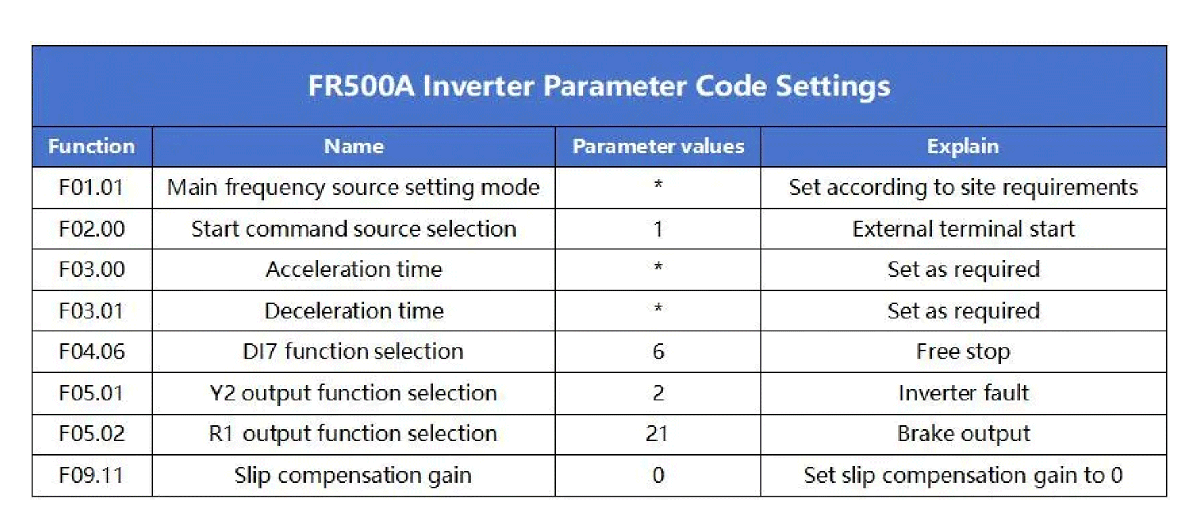
The system consists of one general-purpose FR500A and one dedicated FR500AB. The general-purpose FR500A is used for ordinary speed regulation, while the dedicated FR500AB reads the speed and current of the general-purpose converter via RS485 communication to automatically adjust its own operating speed.
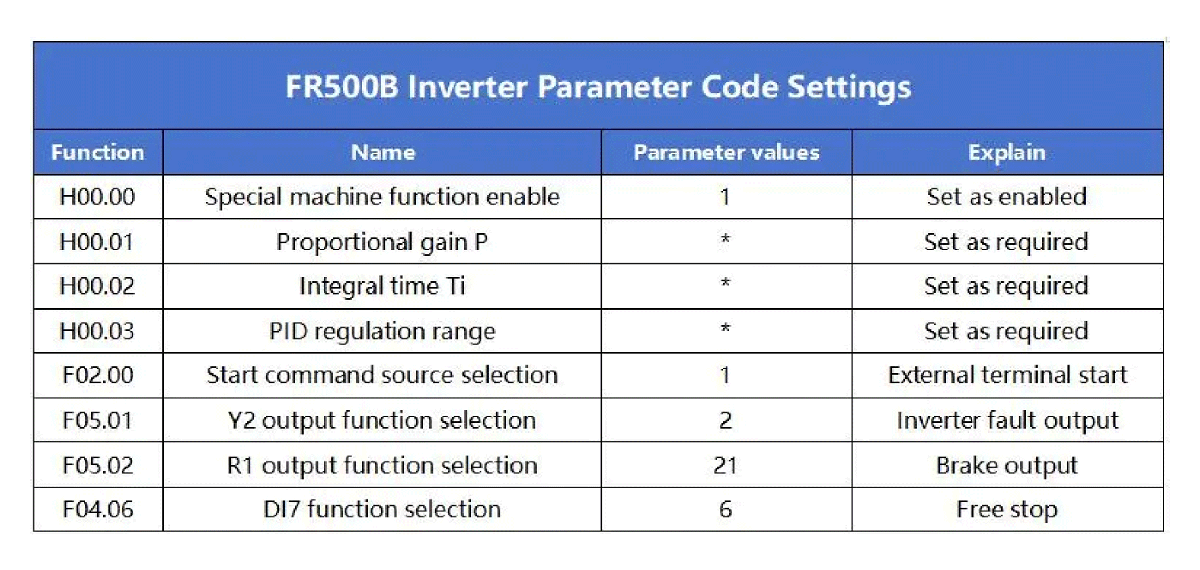

After implementing the FR500A inverter , a coal mine experienced excellent performance in its belt conveyor operation. The two conveyors achieved synchronized speeds and balanced current, with the slave motor torque matching the master motor's, and a current difference of only about 5A, eliminating overvoltage issues. The inverter features simple and easily adjustable parameters, adapts to one master and multiple slave motors, possesses excellent soft-start and soft-stop characteristics, allows for S-shaped acceleration and deceleration, ensures smooth heavy-load startup, and delivers strong low-frequency output torque.

With its high efficiency and energy saving, low noise, large starting torque, high reliability and excellent speed adjustment performance, the FR500A inverter significantly improves the conveying efficiency and safety of coal mine belt conveyors, reduces equipment impact and maintenance costs, and has broad application prospects in the coal and mining industry.